Free tracked UK delivery on every order60-day money-back guarantee

Buyer's guide

Brain supplements in the UK: how to pick a good one

Search this and you get a hundred lists. Instead of another ranking, here is the shortlist of things that actually separate a well-made brain supplement from an expensive capsule of filler.

The Enervia editorial teamLast checked How we write about supplements

The short answer

A good UK brain supplement publishes every ingredient amount, includes DHA at or near 250mg and vitamin B12 at a sensible level, avoids proprietary blends and disease-style claims, and backs itself with a genuine money-back guarantee rather than a testimonial wall.

Key facts

Authorised claims to look for
DHA (250mg/day) and vitamin B12
Biggest label trick
Proprietary blends that hide individual amounts
Format to prefer
One capsule a day, clearly dosed
Red flag
Any hint it treats dementia, Alzheimer's or depression
In Enervia
Every amount published, no proprietary blend, 60-day guarantee

On this page

  • Start with what UK law actually allows a label to say
  • 1. Look for nutrients with authorised claims
  • 2. Check the dose, not just the ingredient list
  • 3. Avoid proprietary blends
  • 4. Judge the claims, not the design
  • 5. Think about what you actually eat first

Start with what UK law actually allows a label to say

Before comparing brands, it helps to know the rules everyone is supposed to be working within. In Great Britain, a nutrition or health claim on a food supplement can only be used if it appears on the official GB nutrition and health claims register. That register is short, specific about wording and specific about the amount required to earn it. Anything outside that list — 'boosts memory by 40%', 'clinically proven to sharpen focus', 'may help prevent cognitive decline' — is not an authorised claim, however confidently it is printed.

This matters for brain supplements more than most categories, because the subject is emotionally loaded. Worry about memory, or about a parent's decline, makes hopeful wording land differently than it would for, say, a vitamin C tablet. Reading claims with the register in mind is the single most useful filter you can apply before you look at price, packaging or reviews.
1. Look for nutrients with authorised claims

A handful of nutrients relevant to brain and nervous-system function do have authorised wording behind them, and they are worth knowing by name. DHA, a long-chain omega-3 fat, contributes to the maintenance of normal brain function at a daily intake of 250mg. Vitamin B12 contributes to normal psychological function and to the reduction of tiredness and fatigue. Iodine, zinc and iron each carry their own cognitive or nervous-system wording too.

None of these claims promise improvement above a normal baseline, and none of them mention dementia, memory loss as a condition, or any diagnosis. That is a deliberate and sensible limit: they describe a nutrient's contribution to normal function, not a treatment.

  • DHA contributes to the maintenance of normal brain function, at 250mg a day.
  • Vitamin B12 contributes to normal psychological function and to the reduction of tiredness and fatigue.
  • Iodine, zinc and iron each have cognitive or nervous-system claims of their own.
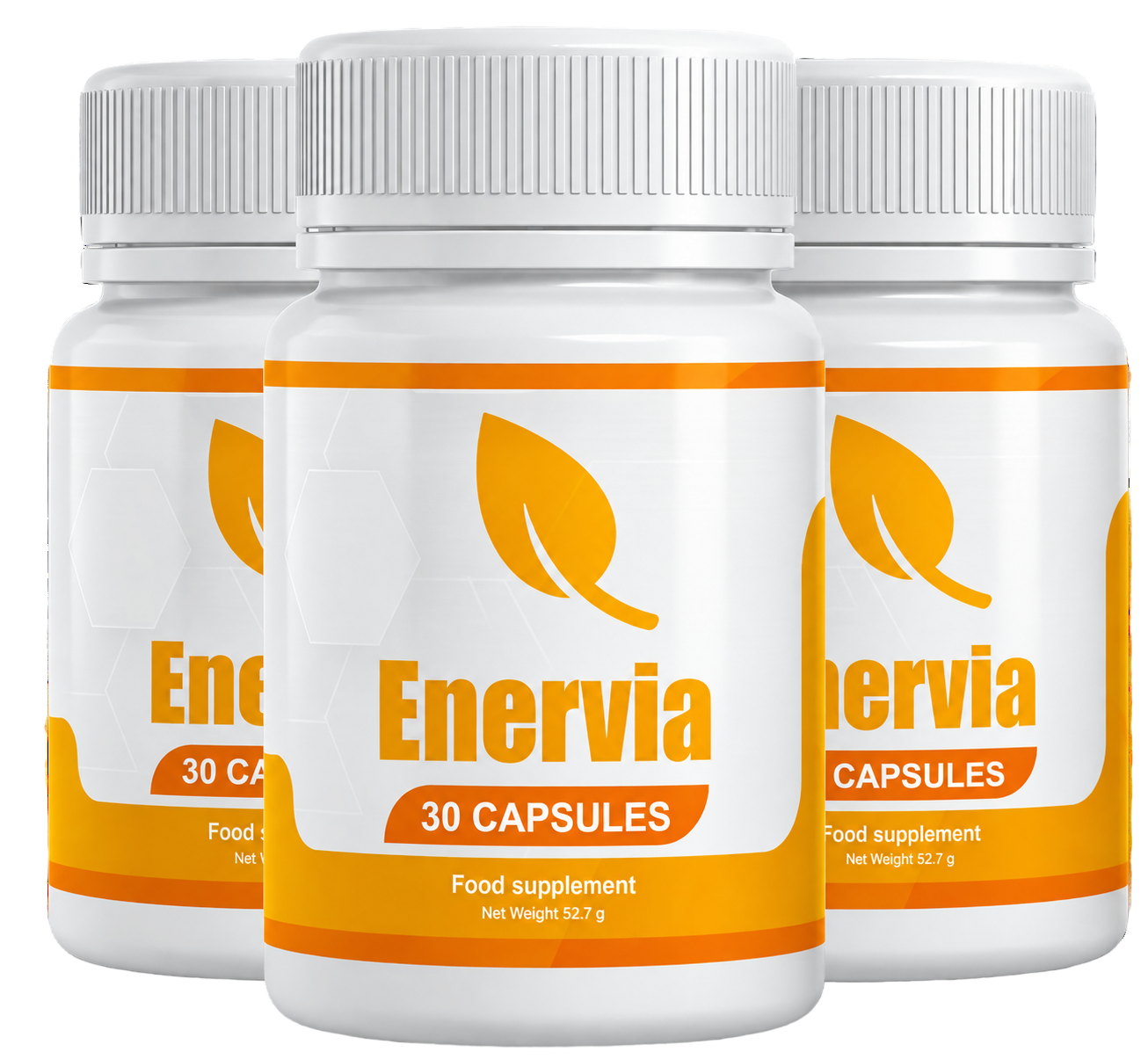
Enervia brain and memory support food supplement, 3-bottle bundle

Most popular

Enervia — 3 Bottles, £117

90-day supply at £39 a bottle. Free tracked UK delivery, dispatched from our UK warehouse within one working day, and 60 days to change your mind.

Order now — £117

2. Check the dose, not just the ingredient list

A long ingredient list is easy to print and impressive to glance at. It is also close to meaningless without amounts next to each item. Many products include a fashionable ingredient — lion's mane, ginkgo, bacopa — at a fraction of the amount used in the research it is riding on the coat-tails of, purely so the name appears on the front of the pack.

If a label does not publish milligrams per capsule for every ingredient, assume the amount is small enough that the company would rather you didn't ask. A reputable supplement has nothing to lose by printing the full breakdown, because the breakdown is the whole point of buying it deliberately rather than picking whatever is cheapest on the shelf.

3. Avoid proprietary blends

If a label says 'proprietary brain blend 450mg' without breaking down what is inside, you cannot compare it to anything, and you cannot tell whether the headline ingredient is present at 400mg or 4mg. This labelling style is legal, but it exists to obscure rather than inform.

Good products publish every individual amount on the supplement facts panel, ingredient by ingredient, so you can check it against published research amounts or authorised claim thresholds yourself rather than trusting marketing copy.

4. Judge the claims, not the design

Slick packaging, a clinical-looking logo and a wall of five-star reviews say very little about whether a product works or is honestly labelled. What matters is what the company is willing to promise in writing, and how they respond if you are not satisfied.

  • Any product hinting it treats, prevents or slows dementia or Alzheimer's is going beyond what UK rules allow — walk away.
  • Celebrity endorsements, fake-news-style adverts and 'as seen on' claims are a red flag, not reassurance.
  • A clear, genuinely honoured refund policy is worth more than a five-star testimonial wall.
  • Real customer stories should be labelled as individual, illustrative examples — not implied to be typical or guaranteed results.

5. Think about what you actually eat first

The most useful question before buying anything is: what is my diet missing? Most UK adults eat well under the two portions of oily fish a week recommended by the NHS, which is the main dietary source of DHA. B12 comes almost exclusively from animal foods, so vegans, vegetarians and anyone with reduced stomach acid are more likely to fall short. A supplement makes most sense as a top-up for a specific, identifiable gap rather than as a blanket fix.

If you already eat oily fish twice a week and a varied diet with meat, eggs or dairy, you may need less from a supplement than someone who does not — and it is worth being honest with yourself about that before you buy.

6. Practical checks before you pay

  • Is the price shown clearly, in pounds, with no subscription trap hidden in the checkout flow?
  • Does the company give a UK support email or address, not just a contact form?
  • Is there a genuine money-back guarantee with a realistic time window, not a 14-day window that expires before you've finished the bottle?
  • Are allergens (fish, soya) and suitability for pregnancy clearly stated?

Where Enervia sits

Enervia is one capsule a day combining DHA from cod liver oil, phosphatidylserine, choline, lion's mane, vitamin B12 and astaxanthin, with every amount published on the label rather than hidden in a blend, no subscription, and a 60-day money-back guarantee. We would rather you judge it against the six points above than against our own marketing.

That also means being upfront about limits: phosphatidylserine, choline, lion's mane and astaxanthin do not carry an authorised health claim in Great Britain. We include them because they are genuinely studied ingredients with a plausible role in cell membranes and everyday alertness, but we are not going to imply a claim the register does not support.

What to check on any brain supplement label
What to checkGood signWarning sign
DHA amount250mg per serving, stated clearlyTotal 'omega-3' figure with no DHA breakdown
Ingredient amountsEvery ingredient has a published milligram figure'Proprietary blend' with one combined total
Claims madeWording matches the GB register exactlyMentions dementia, memory loss or a cure
GuaranteeClear refund window covering at least one full bottleNo refund policy, or one buried in small print
Purchase modelOne-off payment, no forced subscriptionAuto-renewing subscription enabled by default

This is likely to suit you if

  • Adults wanting a straightforward, clearly-dosed daily supplement
  • People who already know their diet is short on oily fish
  • Anyone tired of comparing vague ingredient lists

This is not for you if

  • Anyone looking for a treatment for a diagnosed memory or mood condition
  • People with a fish allergy, without checking the source ingredient first
  • Anyone expecting a supplement to replace sleep, exercise or medical advice

References and further reading

Enervia is a food supplement and not a medicine. It is not intended to diagnose, treat, cure or prevent any disease. Speak to your GP or pharmacist if you take prescribed medication or are unsure whether a supplement is right for you.

Common questions

60 days to change your mind · sold only at getenervia.co.uk

Ready to try Enervia?

Our most popular option is the 3-bottle bundle at £117 — 60 days to change your mind, free tracked UK delivery, and no subscription.

Order Enervia now
Secure checkout by StripeSold only at getenervia.co.uk