Free tracked UK delivery on every order60-day money-back guarantee

Guide

Supplements for memory and concentration

If names go missing mid-sentence and the afternoon feels like wading, you are in normal company. Here is what the rules let anyone claim, which nutrients are genuinely worth attention, what the high-street tablets actually contain, and the unglamorous habits that matter more than any bottle.

The Enervia editorial teamLast checked How we write about supplements

The short answer

Start with food, sleep, hearing and eyesight, then check DHA and vitamin B12 — the only nutrients here with authorised GB claims for brain function, psychological function and tiredness. Read milligram amounts, ignore proprietary blends, and see a GP about memory changes that are worsening rather than guessing with supplements.

Key facts

First step
Sleep, oily fish twice a week, daily movement
DHA
Authorised brain-function claim at 250mg a day
Vitamin B12
Authorised claims: psychological function, tiredness
No authorised GB claim
Ginkgo, bacopa, ginseng, turmeric, phosphatidylserine
Fair trial length
90 days, one product at a time, weekly notes
Watch for
Proprietary blends and unpublished amounts
See a GP if
Memory changes are worsening or affecting daily tasks

On this page

  • Food first: sort the obvious things before any tablet
  • DHA: the nutrient to check first
  • Vitamin B12: the one that matters more with age
  • Choline, phosphatidylserine, bacopa and the rest
  • Ginkgo, bacopa, ginseng and turmeric: named honestly
  • What's actually inside high-street 'memory' tablets

Food first: sort the obvious things before any tablet

Concentration is the most sensitive thing in the body to sleep debt. Two short nights will do more to your afternoon than any supplement will undo, and the same goes for skipped meals, dehydration and a double espresso at four o'clock. It is not the answer people searching for a supplement want, but it is the honest order of operations: sleep, food, movement, then nutrients to fill what is left.

The plainer question before buying anything is what is missing from meals. Oily fish twice a week is the main food route to DHA, and most UK adults eat well under that. Eggs are a rare concentrated source of choline. Pulses — lentils, chickpeas, beans — bring folate and steady-release energy rather than the blood-sugar dip that follows a sugary lunch. Dark leafy greens add folate and iron, and iron shortfall itself causes tiredness and poor concentration. None of this is glamorous, and it will not be printed on a bottle with a brain on the label, but a diet built around these food groups closes most of the gap a supplement is being asked to paper over.

  • A consistent bedtime, seven days a week rather than five
  • Two portions of oily fish a week — mackerel, sardines, salmon, herring
  • Eggs, beans, pulses and leafy greens for choline and folate
  • A brisk daily walk, and caffeine stopped by early afternoon
DHA: the nutrient to check first

DHA is a long-chain omega-3 fat and one of the main structural fats in the brain. In Great Britain it carries an authorised claim — it contributes to the maintenance of normal brain function — at a daily intake of 250mg.

Most UK adults eat well under the recommended two portions of oily fish a week, so this is a real gap rather than a manufactured one. When you read a label, find the DHA figure in milligrams. Many fish oils lead with total omega-3 or EPA, and the DHA line can be surprisingly small.

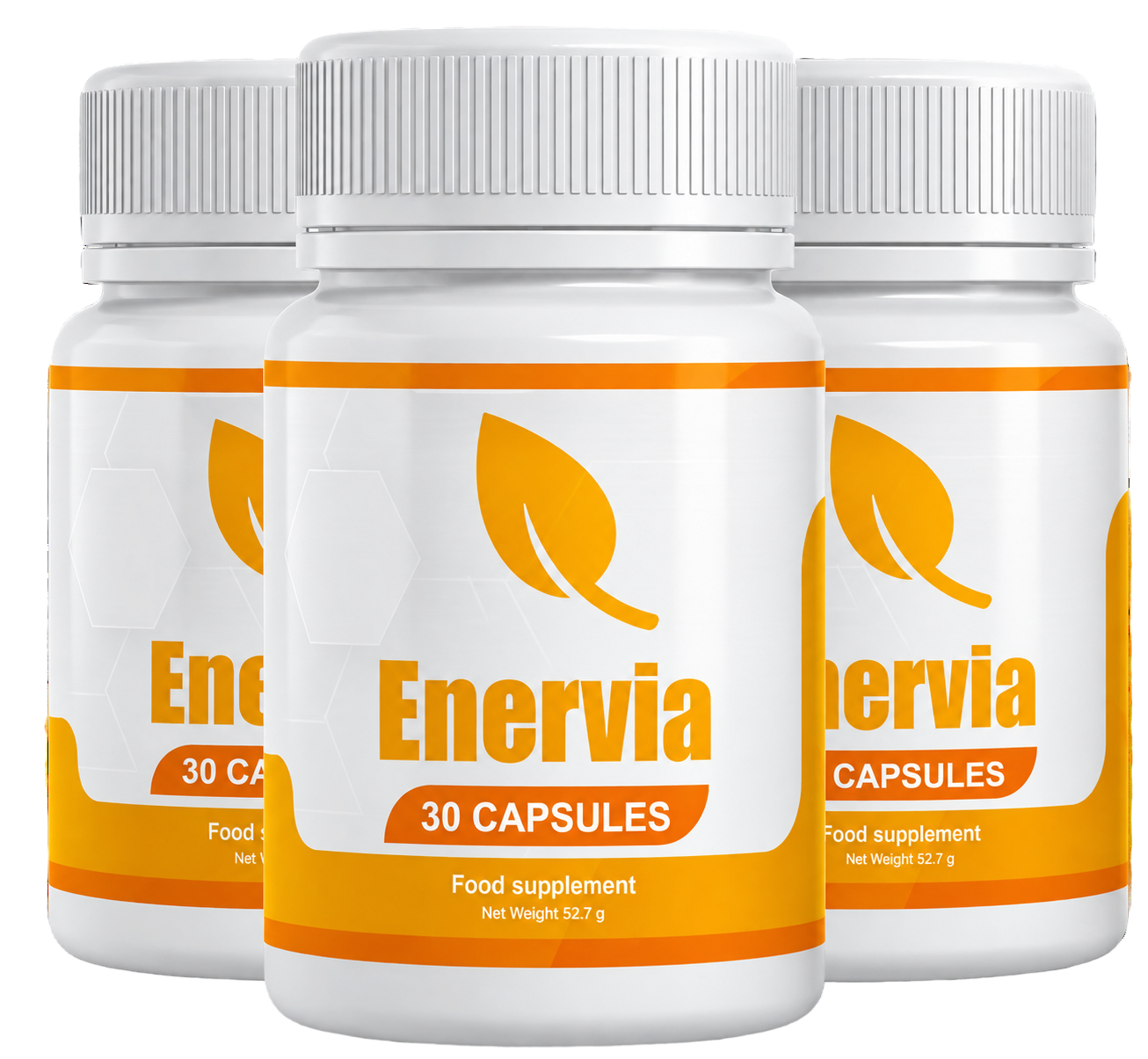
Enervia brain and memory support food supplement, 3-bottle bundle

Most popular

Enervia — 3 Bottles, £117

90-day supply at £39 a bottle. Free tracked UK delivery, dispatched with free UK delivery, and 60 days to change your mind.

Order now — £117

Vitamin B12: the one that matters more with age

B12 has two authorised claims relevant here: it contributes to normal psychological function, and to the reduction of tiredness and fatigue. It is found in animal foods and fortified products, and absorption depends on stomach acid.

Acid production tends to fall with age, and some commonly prescribed long-term medicines reduce B12 absorption further. Anyone eating a vegan diet needs a reliable fortified source or supplement. If you are persistently exhausted, ask your GP rather than guessing. B12 status is a blood test, not a hunch.

Choline, phosphatidylserine, bacopa and the rest

Choline is an essential nutrient the body uses to make acetylcholine, a neurotransmitter involved in memory. Phosphatidylserine is a phospholipid found in nerve-cell membranes. Bacopa is a plant extract. All three are included in Enervia and none carries an authorised health claim in Great Britain.

That is worth knowing before you pay a premium for them. They may be reasonable inclusions in a formula, and the amounts should still be published — but nobody is permitted to promise you an effect, and honest labels do not try.

Ginkgo, bacopa, ginseng and turmeric: named honestly

These four turn up constantly in memory and focus supplements, so it is worth being specific about where each one stands under GB rules. Ginkgo biloba has no authorised health claim in Great Britain — applications relating to cognitive function have not resulted in an authorised wording on the register. Bacopa monnieri is in the same position: sold widely, studied in small trials, but with no claim it is legally permitted to carry here.

Panax ginseng and turmeric (curcumin) are similarly without an authorised GB cognitive or memory claim. Turmeric has authorised claims in some other contexts abroad, but none for brain function or memory in the GB register. If a product built around any of these four uses words like 'boosts', 'sharpens' or 'clinically proven for memory', that wording is not coming from the authorised list — it is marketing copy running ahead of what is permitted.

None of this means the ingredients are fake or worthless — it means no seller is allowed to promise you a cognitive effect from them in the UK, and you should treat any label that does as overstating its case.

What's actually inside high-street 'memory' tablets

Pick up a memory or brain-focus product from a pharmacy shelf and the ingredients panel usually tells a consistent story: a small amount of a B-vitamin blend, sometimes iodine or zinc, and then one or two of ginkgo, bacopa, ginseng or a 'brain blend' with a combined milligram total rather than individual amounts. The front of the box tends to carry far more confidence than the back of the box can support.

The giveaway is usually the word 'blend' hiding a headline ingredient at an amount too small to compare with anything, plus a claim on the front — 'supports memory', 'for a sharp mind' — that sounds close to, but is carefully not quite, an authorised health claim wording.

  • Find DHA in milligrams. If it is not stated, that tells you something.
  • Check every ingredient has a number beside it — no blends.
  • Compare the claim wording on the box against the GB authorised register.
  • Count the capsules per day, and be honest about whether you will take four.
  • Read the refund policy: how many weeks, from delivery, opened bottles included or not.

The things that do the heavy lifting

If you want the honest ranking of what improves everyday memory and concentration, supplements sit near the bottom. Sleep is at the top — the NHS is clear that poor sleep affects concentration, mood and memory more than most people expect. Alcohol, even at moderate amounts, disrupts sleep architecture and next-day focus; cutting back is one of the highest-return changes available.

Uncorrected hearing or eyesight problems make concentration harder because the brain spends extra effort filling gaps in what it is seeing or hearing — a hearing or eye test can outperform any capsule if either has quietly slipped. Regular exercise increases blood flow and is consistently linked with better everyday cognitive performance, and social contact and mentally engaging activity both appear to help maintain function as people get older. None of these can be bought in a bottle, which is exactly why they get skipped past on the way to the supplement aisle.

How to run a fair 90-day trial of one product

Most nutrients relevant here, including DHA and B12, build up gradually with consistent daily intake rather than acting within a day or two, so a short trial tells you almost nothing. A fair test needs structure: pick one product, take it exactly as labelled, and change nothing else deliberately during the trial so you can actually tell what moved the needle.

  • Choose one product only — stacking several at once makes it impossible to know what helped
  • Keep a short weekly note: sleep, mood, focus, energy, on a simple 1–5 scale
  • Hold the rest of your routine steady — same rough sleep pattern, same diet, same alcohol intake
  • Give it the full 90 days before judging, not the first fortnight
  • Keep the receipt and check the refund window in case it makes no difference for you

Cost per day: what you're actually paying

Bottle price on its own is close to meaningless. What matters is cost per day at the dose the label actually requires, because some products need two or three capsules a day to reach a usable amount, quietly tripling the real price. Divide the total price by the number of days one bottle lasts at the stated serving, then compare that daily figure across products rather than comparing £29 against £49 on the shelf.

As a working example, Enervia is two capsules a day: £49 for 30 days (about £1.63 a day), £117 for 90 days (about £1.30 a day), or £198 for 180 days (about £1.10 a day). The same maths is worth applying to anything else you are considering, since a cheaper-looking bottle that needs four capsules a day can easily work out more expensive per day.

When it's a GP matter, not a shopping matter

Book an appointment if memory changes are getting steadily worse, if they are interfering with everyday tasks, if family have noticed, or if exhaustion is persistent and unexplained. Thyroid problems, low B12 or iron, anaemia, sleep apnoea, low mood and medication side effects are all common, all checkable and all treatable — and a supplement bought on spec cannot diagnose any of them.

It is reasonable to ask your GP surgery about a full blood count, ferritin (iron stores), vitamin B12 and folate, and thyroid function (TSH) as a starting panel if tiredness and poor concentration have been going on for weeks rather than days. These are simple, standard tests, and ruling causes in or out first makes far better use of your time and money than trying supplement after supplement.

Where Enervia fits

Enervia is a once-daily supplement of two capsules with DHA from fish, phosphatidylserine, choline, bacopa and B vitamins. Some ingredients are in a 609mg proprietary blend. One of those ingredients carries an authorised GB claim and others do not. We would rather you knew which was which before you buy than find out afterwards.

It is two capsules a day sold at £49 for one bottle (30 days), £117 for three bottles (90 days) or £198 for six bottles (180 days), with free UK delivery, no subscription and no free trial, only through getenervia.co.uk. It contains fish and soy, so it is not suitable if you have an allergy or follow a vegetarian or vegan diet. It is not a substitute for sleep, food, exercise or medical advice, and it is not a treatment for any diagnosed memory or mood condition. Every order has 60 days from delivery for a refund, so you can run a trial with your money still recoverable for most of it.

Food first: where these nutrients come from, and their GB claim status
Nutrient / ingredientBest food sourcesAuthorised GB claim?
DHAMackerel, sardines, salmon, herring, troutYes — normal brain function, 250mg/day
Vitamin B12Meat, fish, eggs, dairy, fortified foodsYes — psychological function, reduction of tiredness
CholineEggs, liver, fish, beans, broccoliNo authorised GB health claim
FolateLeafy greens, pulses, fortified cerealsYes — but for other functions, not memory specifically
PhosphatidylserineSoya lecithin, organ meats (small amounts)No authorised GB health claim
Bacopa, ginkgo, ginseng, turmeric, phosphatidylserineNot significant dietary sourcesNo authorised GB health claim

This is likely to suit you if

  • Adults who rarely eat oily fish and want DHA and B12 covered simply
  • People over 50 wanting a sensible, claim-compliant starting point
  • Busy people whose focus dips and who would rather fix the basics first

This is not for you if

  • Anyone with a fish or soy allergy, and vegetarians or vegans
  • Anyone pregnant, breastfeeding or under 18
  • Anyone on anticoagulant medication without pharmacist advice
  • Anyone whose memory changes are worsening — that is a GP appointment

References and further reading

Enervia is a food supplement and not a medicine. It is not intended to diagnose, treat, cure or prevent any disease. Speak to your GP or pharmacist if you take prescribed medication or are unsure whether a supplement is right for you.

Common questions

What is the best supplement for memory and concentration in the UK?

There is no single best product, but DHA and vitamin B12 are the nutrients with authorised claims behind them — brain function for DHA at 250mg a day, psychological function and tiredness for B12. Check milligram amounts before brand names.

Do memory supplements work for over 50s?

They can help where there is a shortfall, which is more common after 50 for B12 because absorption depends on stomach acid. They are not a treatment for memory loss, and worsening memory should be assessed by a GP.

How long before a memory supplement makes a difference?

Judge it over eight to twelve weeks of daily use, ideally a full 90 days. DHA and B12 build up with consistent intake rather than acting dose by dose, so a few days tells you nothing useful. Individual experiences vary.

Is it worth paying more for bacopa, ginkgo or phosphatidylserine?

None of these carries an authorised claim in Great Britain, so you are paying for ingredients that are still being studied rather than a promised effect. That can be a reasonable choice, but only if the amounts are published and the price is one you are happy with.

Are ginkgo, bacopa, ginseng or turmeric proven to help memory?

None of them has an authorised health claim for memory or brain function in Great Britain. They are widely sold and researched, but any advert stating they are proven to improve memory is going beyond what UK rules currently allow.

What should I check before believing a high-street 'memory' tablet's claims?

Look for the word 'blend' hiding individual amounts, check whether the DHA figure is stated in milligrams, and compare the wording on the box against the GB nutrition and health claims register rather than trusting the phrase on the front.

Can I take a memory supplement with my prescription?

Check with your GP or pharmacist first, particularly if you take anticoagulant or antiplatelet medication, as omega-3 fats are relevant there. Take the supplement label with you so they can see the amounts.

When should poor concentration be checked by a GP instead of treated with supplements?

If it has lasted weeks, is worsening, or comes with persistent tiredness, ask about a full blood count, ferritin, vitamin B12 and folate, and thyroid function. These common causes are easily tested and treatable, and a supplement cannot diagnose any of them.

60 days to change your mind · sold only at getenervia.co.uk

Ready to try Enervia?

Our most popular option is the 3-bottle bundle at £117 — 60 days to change your mind, free tracked UK delivery, and no subscription.

Order Enervia now
Secure checkout by ShopifySold only at getenervia.co.uk