Free tracked UK delivery on every order60-day money-back guarantee

Evidence

Do brain supplements actually work?

A fair question, asked by people who have been sold to badly. The truthful answer is uncomfortable for the supplement industry: a couple of nutrients have genuine backing, most ingredients do not, and nothing in a capsule beats sleep, diet and movement. Here is what 'works' can honestly mean, how to check a label in five minutes, and where Enervia genuinely sits.

The Enervia editorial teamLast checked How we write about supplements

The short answer

Two ingredients have authorised claims in Great Britain: DHA for maintaining normal brain function at 250mg a day, and vitamin B12 for normal psychological function and reducing tiredness. Most other 'brain' ingredients carry no authorised claim. Supplements fill dietary gaps; they do not replace sleep, diet or exercise, and none may claim to treat any condition.

Key facts

Authorised claims
DHA (brain function) and B12 (psychological function, tiredness)
DHA amount that matters
250mg a day for the authorised claim
No authorised claim
Bacopa, phosphatidylserine, choline, B vitamins
Bigger levers
Sleep, oily fish, exercise, blood pressure, hearing
Not a medicine
No supplement may claim to treat any condition
Fair trial length
Around 90 days of one product, taken consistently
First checks
Sleep, iron and B12 status, before spending on anything

On this page

  • What 'works' has to mean
  • The two ingredients with authorised claims
  • The popular ingredients with no authorised claim
  • Five label checks that do most of the work
  • Marketing red flags worth knowing before you shop
  • Why sleep, iron and B12 status come first

What 'works' has to mean

In Great Britain a health claim may only be used if it appears on the official nutrition and health claims register. That register is the most useful shortcut a shopper has, because it separates nutrients that have been assessed from ingredients that have merely been marketed.

So when we say something 'works', we mean it either has an authorised claim behind it, or it corrects a shortfall you actually have. Those are the two honest versions of the word. Everything else is a hypothesis being sold at a premium, and no amount of confident marketing copy changes that.
The two ingredients with authorised claims

DHA is a structural omega-3 fat concentrated in the brain, and most UK adults eat well under the recommended two portions of oily fish a week, so it is a genuine gap for a lot of people. Read the DHA figure in milligrams on any label rather than the total omega-3 headline, which is usually the bigger, less relevant number.

B vitamins become more relevant with age. Anyone eating a vegan diet should check their nutrient intake carefully as Enervia contains fish and is not suitable for vegans.

  • DHA: contributes to the maintenance of normal brain function, at a daily intake of 250mg.
  • Vitamin B12: contributes to normal psychological function, and to the reduction of tiredness and fatigue.
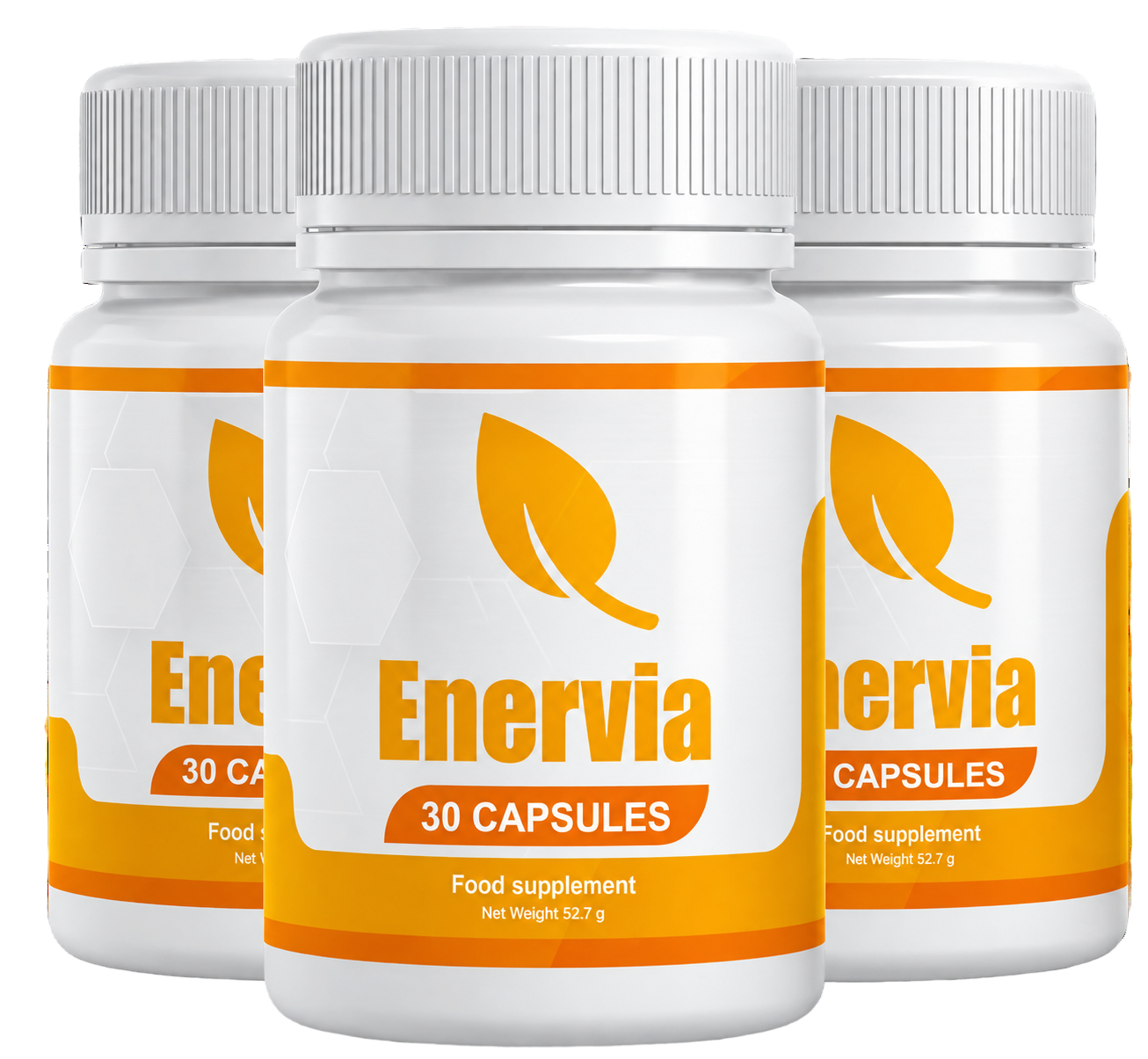
Enervia brain and memory support food supplement, 3-bottle bundle

Most popular

Enervia — 3 Bottles, £117

90-day supply at £39 a bottle. Free tracked UK delivery, dispatched with free UK delivery, and 60 days to change your mind.

Order now — £117

The popular ingredients with no authorised claim

Lion's mane, phosphatidylserine, bacopa, astaxanthin, choline and most 'nootropic' blends carry no authorised health claim in Great Britain. Note that Enervia does not contain lion's mane or astaxanthin. It contains bacopa, phosphatidylserine and choline. No seller telling you a nutrient is proven to improve memory is allowed to make that claim.

Some of them are the subject of active research. Research is not the same as a result you can rely on, and honest companies say so rather than quietly upgrading 'studied' into 'proven' somewhere on the sales page.

Any product hinting that it treats, prevents or slows dementia or Alzheimer's disease is breaking UK rules. Walk away from it, whatever else it contains.

Five label checks that do most of the work

This takes about five minutes on any product page and rules out most of the market. It is a better use of your time than reading another ranked list.

  • Named amounts, not proprietary blends. If a label lists a 'focus complex' without a milligram figure against each ingredient inside it, you cannot tell whether any single component is present at a meaningful dose.
  • The DHA figure in milligrams, not the total omega-3 headline, which is often padded with other, less relevant fats.
  • The form of each nutrient. Some forms of a nutrient are absorbed and used differently from others — cheaper forms are not automatically wrong, but a label that hides the form entirely is telling you less than it should.
  • Third-party testing. A certificate of analysis or an independent testing mark is a sign a brand is prepared to have its claims checked by someone other than itself.
  • Dated evidence. If a page cites 'a study', check whether it names the study, the year, and whether it actually tested the ingredient at the dose in the product — not just the ingredient in general.

Marketing red flags worth knowing before you shop

None of these red flags tell you an ingredient is useless. They tell you the seller is relying on pressure and unverifiable claims rather than a label that can survive being read carefully, which is itself useful information.

  • A celebrity, television doctor or hospital name attached to the product — these endorsements on supplement adverts are almost always invented or unauthorised.
  • Language implying a medical result — memory 'restored', a condition 'reversed' — which is not permitted for a food supplement and is not credible from one.
  • A 'free trial' that only asks for a small postage fee: a well-documented pattern where a full charge, and repeat charges, follow once a short window closes.
  • Urgency devices — a countdown timer, 'only 3 left', a discount that resets every time you revisit the page.
  • A review section with no negative entries at all, or dozens of near-identical five-star reviews posted at once.

Why sleep, iron and B12 status come first

Before spending money on any brain supplement, it is worth ruling out the things that affect concentration and memory far more reliably than a capsule ever will. Poor or insufficient sleep is one of the most common, fixable causes of poor concentration, and no supplement compensates for it.

Iron deficiency and low B12 status both commonly present as tiredness, poor concentration and low mood, and both are identified with a simple blood test through a GP rather than guessed at with a supplement. If either is low, correcting it properly — sometimes with a higher-dose, GP-directed product rather than a food supplement — will do more than an over-the-counter capsule taken on spec.

This order matters: check the things a blood test or a sleep diary can rule in or out first, then consider whether a food supplement is filling a genuine, remaining gap in your diet.

Things that outperform any capsule

If you have not done these, a supplement is the wrong place to start, and we would rather say that than sell you a bottle you do not need. A capsule fills gaps around a decent routine; it does not substitute for one.

  • Sleep: consistent, adequate sleep affects memory and concentration more than any supplement.
  • Oily fish twice a week: mackerel, sardines, salmon, herring — the food version of the DHA argument.
  • Daily movement: a brisk walk most days, not a gym membership you resent.
  • Blood pressure and hearing checked: both are linked to long-term brain health and both are free to check.
  • Company and interest: conversation, reading, learning something awkward.

How to run a fair 90-day trial of one product

Ninety days is long enough for nutrients like DHA and B12 to build up meaningfully with steady intake, and short enough to still be a fair, bounded test rather than an open-ended habit. Check the seller's refund policy before you start, so a disappointing result at day 90 is not also a wasted purchase.

  • Pick one product and stick to it. Stacking three or four supplements at once makes it impossible to know which, if any, made a difference.
  • Take it at the same time each day, with food if the label says to, for consistency of absorption.
  • Note one simple measure once a week — afternoon focus out of ten, or one thing you would ordinarily have forgotten — rather than trying to recall how the whole month felt.
  • Keep sleep, caffeine and any other new habits roughly steady across the trial, so you are not measuring three variables at once.
  • Decide at the end of the period, using your notes rather than a general impression, and stick to that decision.

Cost per day: what you are actually comparing

Sellers like to quote a headline bottle price, but the only fair comparison across products is cost per day at the dose actually being tested. A £15 bottle sounds cheaper than a £49 bottle until you notice the daily serving size required to reach the intended dose, which changes the real daily cost considerably.

Work it out as: bottle price ÷ days it actually lasts at the labelled dose. Do that for two or three products you are considering side by side, and the flattering headline price usually stops looking like the deciding factor.

When to see a GP instead of buying anything

Memory changes that are getting worse, affecting daily tasks, or being noticed by family are a reason to book an appointment, not a reason to increase a supplement order. So is persistent exhaustion, which has plenty of treatable causes worth ruling out.

Supplements are for filling nutritional gaps in otherwise ordinary life. They are not diagnostic tools and they are not treatments, and a GP visit is free at the point of use through the NHS, which a supplement never substitutes for.

Where Enervia fits into this honestly, and its limits

Enervia is a once-daily supplement (two capsules) containing 22 vitamins and minerals plus a proprietary blend including bacopa, phosphatidylserine and choline. It does not contain lion's mane, astaxanthin or cod liver oil. We list all ingredients on the label page as plainly as we have said it here.

Its limits are real and worth stating: it contains fish (tuna) and soy, so it is unsuitable for anyone with these allergies, vegetarians and vegans; it is not suitable for pregnancy, breastfeeding or under-18s; and it will do nothing noticeable in the first days, because it contains no stimulant. Judge it with the five checks above and use the 60-day guarantee to decide with your own money back on the table if it is not for you.

Common brain-supplement ingredients and what may be claimed in Great Britain
IngredientAuthorised GB claim?What that means for you
DHA (omega-3)Yes, at 250mg a dayThe one to check first on any label
B vitaminsYesRelevant for supporting health as you age
CholineNoEssential nutrient; described, not claimed
PhosphatidylserineNoStudied; no assessed claim you can rely on
Lion's maneNoEnervia does not contain this ingredient; it contains bacopa instead
Ginkgo bilobaNoWidely sold, no authorised claim
AstaxanthinNoEnervia does not contain this ingredient; it contains 22 vitamins and minerals instead

This is likely to suit you if

  • People who rarely eat oily fish and want DHA and B12 covered simply
  • Readers who want the label checks rather than another ranked list
  • Anyone who has already got sleep, food and walking roughly right
  • Anyone prepared to run a fair, single-product 90-day trial rather than stacking several at once

This is not for you if

  • Anyone expecting a supplement to treat or prevent a condition
  • Anyone with a fish allergy, pregnant or breastfeeding, or under 18
  • Anyone on anticoagulant medication who has not spoken to a pharmacist
  • Anyone with worsening memory problems who has not yet seen a GP

References and further reading

Enervia is a food supplement and not a medicine. It is not intended to diagnose, treat, cure or prevent any disease. Speak to your GP or pharmacist if you take prescribed medication or are unsure whether a supplement is right for you.

Common questions

Do brain supplements actually work?

Some ingredients have assessed claims behind them — DHA for maintaining normal brain function at 250mg a day, and B12 for psychological function and tiredness. Most other ingredients do not. Supplements fill dietary gaps rather than producing dramatic change.

Which brain supplement ingredient has the best evidence?

DHA, a long-chain omega-3 fat, is the one with an authorised brain-function claim in Great Britain, at 250mg a day. Vitamin B12 has authorised claims for psychological function and reducing tiredness, and matters more as you get older.

Is lion's mane proven to improve memory?

No. Lion's mane carries no authorised health claim in Great Britain and is not included in Enervia. It is studied as a food-derived ingredient, but any seller presenting it as proven for memory is going beyond what the evidence and the rules allow.

Can any supplement prevent dementia?

No, and no product may claim to. Any advert suggesting a supplement treats, prevents or slows dementia or Alzheimer's disease is breaking UK advertising rules. Concerns about memory should go to a GP.

Is it better to change my diet than take a capsule?

Usually, yes. Two portions of oily fish a week, eggs for choline, consistent sleep and daily walking cost little and do more than any supplement. A capsule is for filling the gaps that remain around that.

How long should I trial a brain supplement before deciding?

Around 90 days of consistent daily use of one product, tracked with a simple weekly note. Nutrients like DHA and B12 build up gradually, so a few days tells you nothing reliable, and stacking several products at once makes it impossible to know what helped.

How do I compare the price of two brain supplements fairly?

Work out cost per day at the dose actually needed — bottle price divided by days it lasts at the labelled serving — rather than comparing headline bottle prices, since some products need two or three servings a day to reach a usable dose.

When should I see a GP instead of buying a supplement?

If memory problems are worsening, affecting daily tasks, or being noticed by family, or if tiredness is persistent and unexplained. A GP can check for treatable causes, including iron and B12 deficiency, that a supplement bought on spec cannot diagnose.

60 days to change your mind · sold only at getenervia.co.uk

Ready to try Enervia?

Our most popular option is the 3-bottle bundle at £117 — 60 days to change your mind, free tracked UK delivery, and no subscription.

Order Enervia now
Secure checkout by ShopifySold only at getenervia.co.uk