Free tracked UK delivery on every order60-day money-back guarantee

Ingredient guide

Omega-3 DHA and brain health

Of all the ingredients marketed for the brain, DHA has the clearest standing in UK law — and most people are not getting much of it.

The Enervia editorial teamLast checked How we write about supplements

The short answer

DHA is a long-chain omega-3 fat and a structural part of brain cell membranes. In Great Britain it carries an authorised claim that it contributes to the maintenance of normal brain function at 250mg a day — roughly what two portions of oily fish a week provide, which most UK adults fall short of.

Key facts

Authorised claim
Contributes to the maintenance of normal brain function
Amount that matters
250mg DHA per day
Typical food sources
Salmon, mackerel, sardines, trout
Who may fall short
Anyone eating less than 2 portions of oily fish a week
In Enervia
DHA from wild-caught cod liver oil

On this page

  • What DHA actually is
  • The authorised claim, in full
  • EPA or DHA — why the difference matters
  • How much fish that is, in practice
  • What the evidence does and does not show
  • Sourcing, sustainability and quality checks

What DHA actually is

DHA, or docosahexaenoic acid, is a long-chain omega-3 fat and a structural component of cell membranes, found in especially high concentrations in the brain and the retina. It is not a stimulant, a nootropic in the marketing sense, or a quick fix — it is building material the body incorporates into the fatty membranes of nerve cells.

The body can make small amounts of DHA from other omega-3 fats, but conversion is inefficient, which is why direct dietary intake matters more than for many nutrients the body can manufacture itself.
The authorised claim, in full

In Great Britain, DHA carries an authorised claim: it contributes to the maintenance of normal brain function, and separately to the maintenance of normal vision, at a daily intake of 250mg. That 250mg figure is the specific benchmark set by the assessment behind the claim, and it is the number worth checking on any label rather than a vaguer 'omega-3' total.

It is worth being precise about the wording too: the claim is about maintenance of normal function, not improvement above normal, and not prevention of decline. That distinction is not marketing spin — it is the actual legal boundary of what can be said.

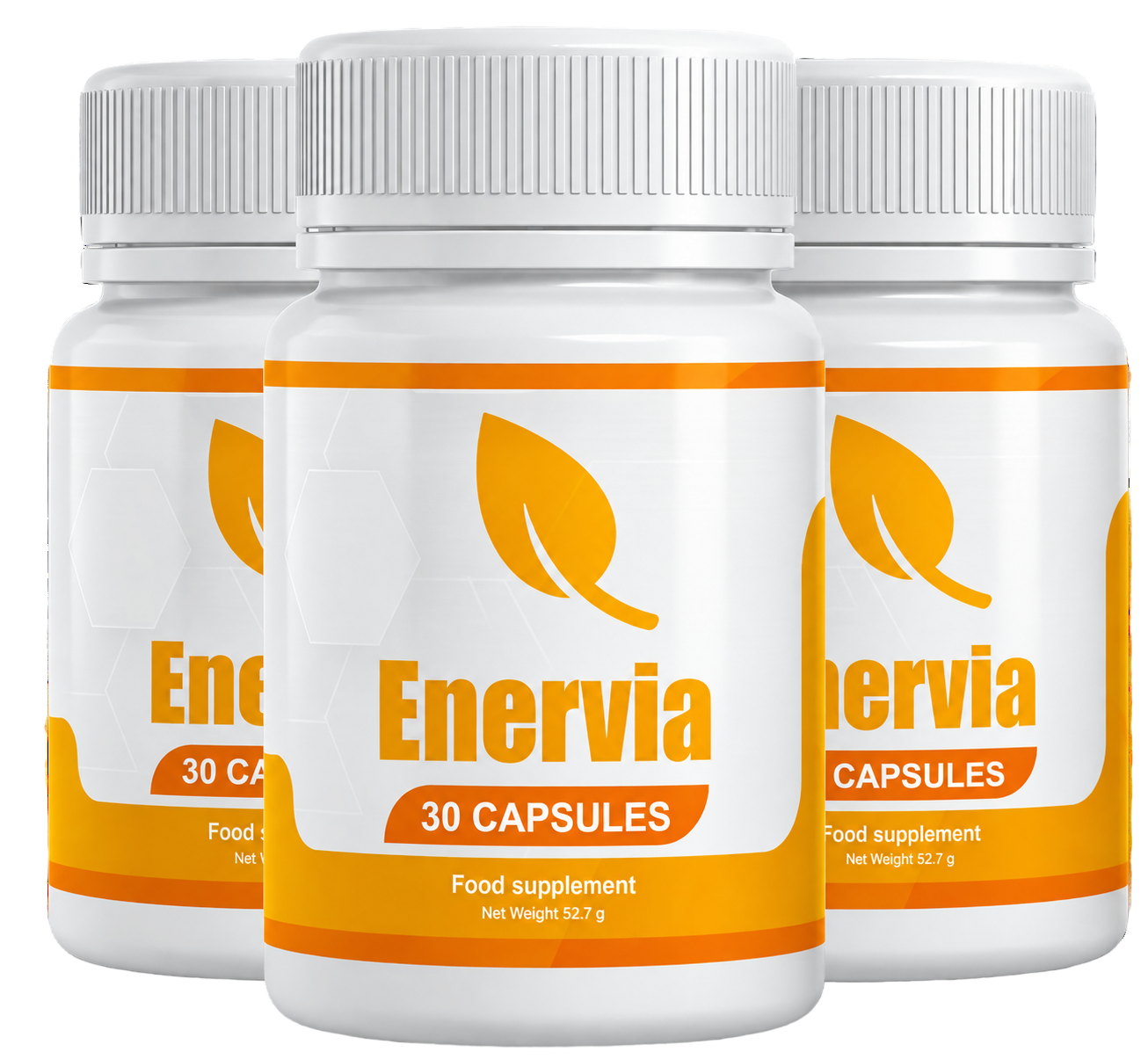
Enervia brain and memory support food supplement, 3-bottle bundle

Most popular

Enervia — 3 Bottles, £117

90-day supply at £39 a bottle. Free tracked UK delivery, dispatched from our UK warehouse within one working day, and 60 days to change your mind.

Order now — £117

EPA or DHA — why the difference matters

Standard fish oils are often higher in EPA than DHA, partly because EPA is cheaper to produce at scale. Both are long-chain omega-3 fats and both matter for general health, but the authorised brain-function claim specifically requires DHA at 250mg — an EPA-heavy oil will not necessarily deliver that amount.

When comparing products, check the DHA figure specifically rather than the total omega-3 number printed largest on the front of the bottle. Two products with the same 'omega-3: 1000mg' headline can differ substantially in how much of that is actually DHA.

How much fish that is, in practice

The NHS recommends roughly two portions of oily fish a week — salmon, mackerel, sardines, trout or fresh tuna — as part of a balanced diet, and most UK adults fall well short of that figure. A typical 140g portion of salmon can supply well over 1,000mg of combined omega-3s, comfortably covering several days' worth of the 250mg DHA benchmark.

That gap between recommendation and reality is the honest reason a DHA supplement makes sense for many people: not because fish is dangerous to skip occasionally, but because most people skip it consistently, week after week, without a plan to make it up elsewhere.

Enervia uses DHA from wild-caught cod liver oil. It contains fish and is not suitable for anyone with a fish allergy, or for vegetarians and vegans.

What the evidence does and does not show

DHA's role as a structural component of brain cell membranes is well established biochemistry, not disputed. The authorised claim reflects that DHA contributes to normal brain function being maintained — essentially, that adequate intake supports the brain doing what it normally does.

What the evidence does not show is that supplementing above a normal, adequate intake sharpens memory, prevents cognitive decline, or treats any brain-related condition. Research into higher-dose DHA for cognitive decline and dementia has produced mixed and inconclusive results, which is exactly why no such claim is authorised. Treat DHA as a nutrient you either are or are not getting enough of — not as a dial you can turn up for extra benefit.

Sourcing, sustainability and quality checks

Fish oil quality varies. Look for third-party purity testing for heavy metals such as mercury, a stated fish source (cod liver oil, anchovy, or algal oil for a vegan alternative), and a manufacturing or best-before date, since omega-3 oils can oxidise over time and are best stored away from heat and light.

Algal-derived DHA is the only source suitable for vegans and vegetarians, and is worth seeking out specifically if fish is not an option — most standard fish oil capsules, including Enervia's, are not appropriate for a plant-based diet.

Where this fits in a wider approach

DHA is one of the better-supported inclusions in a brain-focused supplement precisely because the claim behind it is narrow, specific and backed by an official assessment rather than marketing enthusiasm. It works best as part of an otherwise reasonable diet — not as a substitute for eating fish occasionally, and not as a fix for problems it was never designed to address, such as sleep debt or stress.

DHA: food sources versus typical amounts
Food sourceTypical portionApprox. DHA + EPA
Salmon140g cookedOver 1,000mg combined omega-3
Mackerel100g cookedAround 1,000–1,500mg combined omega-3
Sardines (tinned)100gAround 1,000mg combined omega-3
Cod liver oil supplement1 capsule (varies by brand)Check label — look for the DHA figure, not just 'omega-3'

This is likely to suit you if

  • Adults eating less than the recommended two portions of oily fish a week
  • People wanting a supplement with a specific, authorised claim behind it

This is not for you if

  • Anyone with a fish allergy
  • Vegetarians and vegans (an algal DHA supplement is the appropriate alternative)
  • Anyone already eating oily fish twice a week or more, who may need less additional DHA

References and further reading

Enervia is a food supplement and not a medicine. It is not intended to diagnose, treat, cure or prevent any disease. Speak to your GP or pharmacist if you take prescribed medication or are unsure whether a supplement is right for you.

Common questions

60 days to change your mind · sold only at getenervia.co.uk

Ready to try Enervia?

Our most popular option is the 3-bottle bundle at £117 — 60 days to change your mind, free tracked UK delivery, and no subscription.

Order Enervia now
Secure checkout by StripeSold only at getenervia.co.uk