Free tracked UK delivery on every order60-day money-back guarantee

Guide

Memory supplements for the over 50s

Names taking a moment longer, keys in an odd place, a word on the tip of your tongue. Common, normal, and worth supporting sensibly — here is what the evidence supports and what it does not.

The Enervia editorial teamLast checked How we write about supplements

The short answer

After 50, the two nutrients worth checking are vitamin B12, because absorption tends to fall with age, and DHA, because most UK adults eat too little oily fish. Neither treats memory loss; both have narrow authorised claims about normal psychological or brain function alongside good sleep, exercise and social contact.

Key facts

Most relevant nutrient
Vitamin B12 — absorption falls with age
Second most relevant
DHA omega-3 — most adults eat too little oily fish
Authorised claim wording
"Normal psychological function" and "normal brain function" only
When to see a GP
Sudden change, family concern, or fog with tiredness
Habit that helps most
Consistent 7–8 hours of sleep

On this page

  • Why memory changes after 50 and what is normal
  • Why B12 deserves attention after 50
  • Omega-3 and the brain's structure
  • What a supplement cannot do
  • The habits that do the heavy lifting
  • Reading a label sensibly at this age

Why memory changes after 50 and what is normal

Some slowing in recall speed is a well-documented, ordinary part of getting older, distinct from the memory loss seen in dementia. Retrieving a name a little more slowly, or needing a moment longer with a new phone number, is not in itself a sign of anything wrong. What tends to worry GPs more is a change that is sudden, progressive, or noticed clearly by people around you rather than by you.

That distinction matters because it changes what is worth doing about it. Ordinary age-related slowing responds, if anything does, to the same broad lifestyle factors that help most of health — sleep, movement, diet, blood pressure control. A worrying change is a medical question, not a shopping one.
Why B12 deserves attention after 50

Stomach acid production tends to fall with age, and acid is needed to release B12 from food so it can be absorbed. Certain long-term medicines — acid-reducing drugs and metformin among them — reduce absorption further. Put together, this makes low B12 more common from the 50s onwards than in younger adults.

B12 has an authorised claim for contributing to normal psychological function and for the reduction of tiredness and fatigue, which is a modest, factual claim rather than a promise about memory improvement. If you are on long-term medication or have had bowel or stomach surgery, this is one of the more sensible nutrients to have checked with a simple blood test rather than assumed.

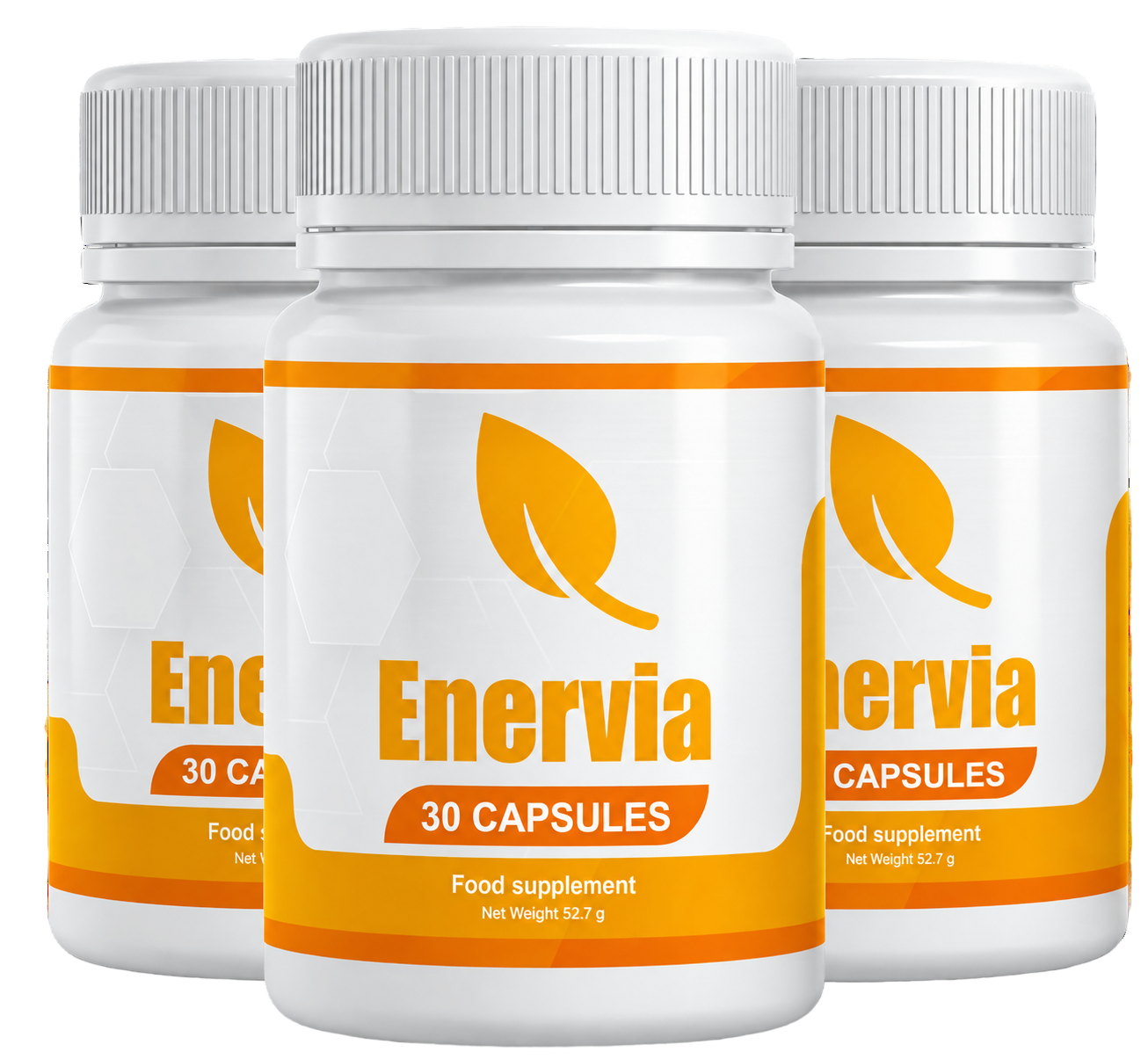
Enervia brain and memory support food supplement, 3-bottle bundle

Most popular

Enervia — 3 Bottles, £117

90-day supply at £39 a bottle. Free tracked UK delivery, dispatched from our UK warehouse within one working day, and 60 days to change your mind.

Order now — £117

Omega-3 and the brain's structure

DHA is a structural fat concentrated in brain cell membranes, and at 250mg a day it carries an authorised claim for the maintenance of normal brain function. It is not a treatment; it is a nutrient the brain uses as a building block, much as calcium is used in bone.

Most UK adults eat well under the two portions of oily fish a week recommended by the NHS, and that gap widens for people who avoid fish for taste, cost or convenience reasons. That shortfall is the practical, unglamorous reason DHA is worth getting right before looking at anything more exotic.

What a supplement cannot do

No supplement treats, prevents or slows dementia, and no legitimate seller in the UK is permitted to claim otherwise. If memory changes are getting in the way of daily life, are noticed by family, or came on over weeks rather than years, that is a GP conversation, not a supplement decision.

A GP can check for causes that are treatable and easily missed, including underactive thyroid, depression, medication side effects and B12 or folate deficiency. Ruling these out properly is worth far more than trying a supplement and waiting to see.

The habits that do the heavy lifting

Every nutrition scientist working in this area will tell you the same thing: lifestyle factors have a larger, better-evidenced effect on everyday cognitive function than any supplement. They are also, unhelpfully, less exciting to sell.

  • Seven to eight hours of sleep — memory consolidation happens during sleep, and chronic short sleep is linked to worse next-day recall.
  • Brisk walking most days; blood flow to the brain benefits from the same activity that benefits the heart.
  • Regular social contact and something that stretches you mentally — a class, a puzzle, a new skill.
  • Blood pressure and hearing checked regularly — both are linked to long-term cognitive health in large studies.
  • Limiting alcohol, particularly in the evening, since it disrupts the sleep stages linked to memory.

Reading a label sensibly at this age

Look specifically for DHA and B12 amounts on the supplement facts panel rather than trusting a front-of-pack claim like 'memory support'. Check whether the product is one capsule a day or several, since that affects both cost and how easy it is to stick with.

If a company selling to this age group leans on urgency, fear of decline, or before-and-after style testimonials, treat that as marketing rather than evidence. Genuine, well-labelled products do not need to frighten you into buying them.

Speak to a GP or pharmacist before starting any supplement if you take prescribed medication, particularly blood thinners, or have a diagnosed condition.

Where a formula like Enervia fits

Enervia combines DHA and vitamin B12 with phosphatidylserine, choline, lion's mane and astaxanthin in one capsule a day. The honest way to describe it for this age group is as a considered top-up for two nutrients many people over 50 are short of, alongside ingredients that are genuinely studied but do not carry an authorised claim in Great Britain. It sits alongside the habits above, not instead of them.

This is likely to suit you if

  • Adults over 50 whose diet includes little oily fish or animal protein
  • People on long-term medication known to reduce B12 absorption, after a GP or pharmacist chat
  • Anyone wanting a straightforward daily top-up rather than a multi-pill routine

This is not for you if

  • Anyone with sudden, rapidly progressing memory changes — see a GP first
  • People with a fish allergy
  • Anyone on anticoagulant medication without checking with a pharmacist first

References and further reading

Enervia is a food supplement and not a medicine. It is not intended to diagnose, treat, cure or prevent any disease. Speak to your GP or pharmacist if you take prescribed medication or are unsure whether a supplement is right for you.

Common questions

60 days to change your mind · sold only at getenervia.co.uk

Ready to try Enervia?

Our most popular option is the 3-bottle bundle at £117 — 60 days to change your mind, free tracked UK delivery, and no subscription.

Order Enervia now
Secure checkout by StripeSold only at getenervia.co.uk