Free tracked UK delivery on every order60-day money-back guarantee

Ingredient guide

Vitamin B12, memory and tiredness

Of all the nutrients linked to thinking and energy, B12 is the one where a genuine shortfall is common — and where getting it checked, rather than simply supplementing, is genuinely worthwhile.

The Enervia editorial teamLast checked How we write about supplements

The short answer

Vitamin B12 has authorised UK claims for contributing to normal psychological function, normal nervous system function and reducing tiredness and fatigue. Deficiency is common in vegans, over-50s and people on certain medications, and causes symptoms similar to brain fog — a blood test, not a supplement alone, confirms it and guides proper treatment.

Key facts

Authorised claim
Normal psychological function; reduces tiredness and fatigue
Typical food sources
Meat, fish, eggs, dairy, fortified cereals
Who may fall short
Vegans, over-50s, people on metformin or acid reducers
Common supplement forms
Cyanocobalamin and methylcobalamin
Test to ask for
A GP blood test for serum B12 (and often folate and iron)
In Enervia
Included in every daily capsule

On this page

  • What B12 actually does
  • The authorised claims, in full
  • Where B12 comes from and why deficiency happens
  • Who is most at risk of running low
  • Symptoms worth recognising
  • NHS testing and what to ask your GP

What B12 actually does

Vitamin B12 is involved in red blood cell formation, DNA synthesis, and the maintenance of the nervous system's protective myelin sheath — the insulating layer around nerve fibres that allows signals to travel properly. It also plays a role in normal energy-yielding metabolism, which is part of why fatigue is such a characteristic symptom when levels run low.

None of this makes B12 a stimulant or a fast-acting cognitive booster. It is a nutrient the nervous system and blood system depend on continuously, and its relevance to memory and mental clarity is really about what happens when supply falls short, rather than what happens when you add more on top of an already adequate diet.
The authorised claims, in full

Vitamin B12 has more authorised claims relevant to brain and energy than almost any other nutrient sold for this purpose, which is part of why it appears in nearly every credible cognition-focused formula. These are claims that appear on the GB nutrition and health claims register, meaning they have been formally assessed rather than invented by marketers.

  • Vitamin B12 contributes to normal psychological function.
  • Vitamin B12 contributes to the reduction of tiredness and fatigue.
  • Vitamin B12 contributes to normal functioning of the nervous system.
  • Vitamin B12 contributes to normal red blood cell formation and normal energy-yielding metabolism.
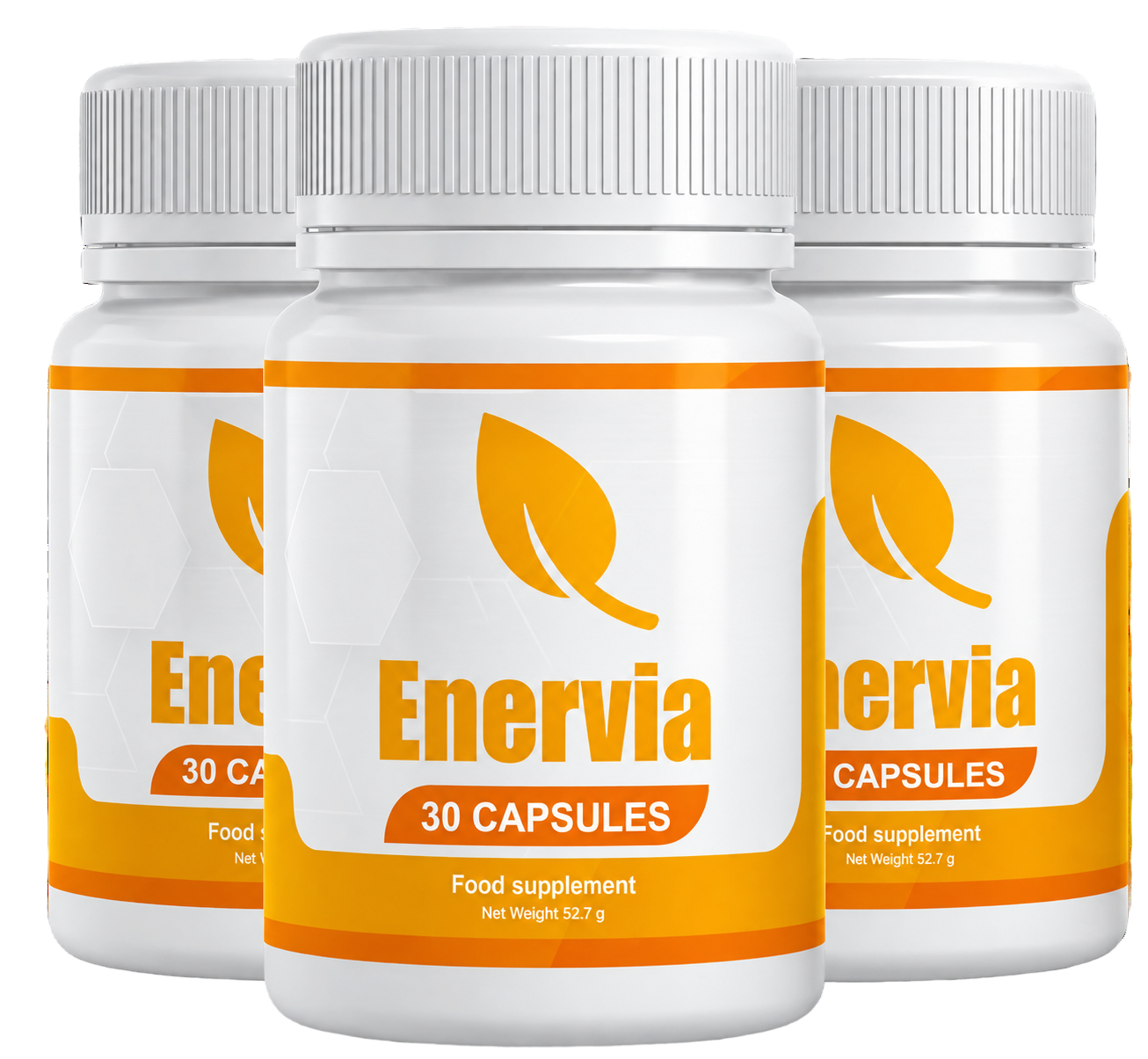
Enervia brain and memory support food supplement, 3-bottle bundle

Most popular

Enervia — 3 Bottles, £117

90-day supply at £39 a bottle. Free tracked UK delivery, dispatched with free UK delivery, and 60 days to change your mind.

Order now — £117

Where B12 comes from and why deficiency happens

B12 is found almost exclusively in animal foods — meat, fish, eggs, dairy — with fortified foods such as some breakfast cereals and plant milks providing an alternative source. Unlike many vitamins, the body stores several years' worth of B12 in the liver, which means deficiency tends to develop slowly and can go unnoticed for a long time before symptoms appear.

Absorption is a more complex process than for many nutrients: B12 needs stomach acid and a protein called intrinsic factor to be absorbed properly in the gut. Anything that interferes with either step — reduced stomach acid, certain medications, or gut and stomach conditions — can cause deficiency even in someone eating plenty of B12-rich food.

Who is most at risk of running low

  • Vegans and vegetarians — B12 comes almost entirely from animal foods, so fortified foods or a supplement are usually necessary.
  • Adults over 50, as stomach acid production and absorption efficiency tend to fall with age.
  • People on long-term metformin (for diabetes) or acid-reducing medication such as proton pump inhibitors, both of which can reduce absorption.
  • Anyone who has had stomach or bowel surgery, including gastric bypass or sleeve procedures, which can permanently reduce the body's ability to absorb B12 from food.
  • People with pernicious anaemia, an autoimmune condition where the body cannot make enough intrinsic factor, and people with coeliac disease or other conditions affecting the gut.
  • People who drink heavily, which can interfere with B12 absorption and storage over time.

Symptoms worth recognising

B12 deficiency can produce a wide, easily-missed set of symptoms: persistent tiredness, pins and needles in the hands or feet, a sore or inflamed tongue, breathlessness, low mood, and difficulty concentrating that can feel very similar to ordinary brain fog. Because these overlap with so many other common causes, deficiency is frequently missed or attributed to stress, ageing or being busy.

Left unaddressed for a long time, more serious neurological symptoms can develop, which is part of why deficiency deserves a proper diagnosis rather than being managed indefinitely with guesswork.

NHS testing and what to ask your GP

A standard blood test can check your serum B12 level, and a GP will often check folate and iron at the same time, since deficiencies in these can produce overlapping symptoms and sometimes mask each other on a basic blood count. If you have risk factors — a vegan diet, long-term metformin use, previous stomach surgery, or a family history of pernicious anaemia — it is reasonable to mention these directly and ask specifically for a B12 check rather than assuming a routine blood test automatically includes it.

If deficiency is confirmed, treatment depends on the cause and severity: dietary changes and oral supplements for a mild dietary shortfall, or B12 injections for pernicious anaemia or malabsorption, since injections bypass the gut absorption step entirely. This is a genuine treatment pathway that a supplement bought online cannot replace if you are found to be significantly deficient.

Forms of B12 in supplements — cyanocobalamin versus methylcobalamin

Cyanocobalamin is the most common, most stable and generally cheapest form used in UK supplements. It is converted to the body's active forms after absorption and has a long track record of use. Methylcobalamin is one of the naturally occurring active forms and is sometimes marketed as superior on the basis that it skips a conversion step, though the practical difference for most people with normal metabolism is small, and both are considered effective ways to supplement B12 for someone without an absorption problem.

For most people, the form matters less than simply getting a reliable, adequately dosed source. The exception is anyone with a specific diagnosed absorption difficulty, where a GP or dietitian may have a specific recommendation about form or delivery route (oral versus injection) based on the underlying cause.

Amounts and safety

UK supplements vary considerably in the microgram (µg or mcg) amount included, and B12 is considered to have a good safety margin — it is water-soluble, and no upper safe limit has been established for most healthy adults, with any genuine excess generally excreted rather than causing harm. Very high doses are used under medical supervision to treat confirmed deficiency, particularly by injection.

Check the label for the specific µg figure rather than assuming 'contains B12' means a meaningful amount, and note that oral B12 supplements are generally well absorbed even in people with reduced stomach acid, because a small proportion of any oral dose is absorbed passively regardless of intrinsic factor — one reason a daily oral supplement is a reasonable, low-risk way to support intake for most at-risk groups.

What the evidence does and does not show

The evidence that correcting a genuine B12 deficiency improves psychological function, energy and nervous system symptoms is well established — this is exactly why the authorised claims exist and why B12 deficiency is treated seriously in clinical practice.

What the evidence does not show is that taking extra B12 when you are not deficient produces a further boost to memory, mood or energy. B12 is water-soluble, so any genuine excess above what the body needs is generally excreted rather than stored to further effect. The honest framing is: B12 matters enormously if you are short of it, and does little extra if you are not — supplementing does not help if there was nothing to correct in the first place.

Choosing and using a B12 supplement sensibly

A daily supplement is appropriate as ongoing support for a reasonable diet, or as a sensible top-up for someone in a known at-risk group such as vegans or over-50s. It is not a substitute for diagnosis if you already have symptoms that concern you, and it should not be started purely to mask symptoms while avoiding a blood test — doing so can make it harder for a GP to later confirm and correctly treat a genuine deficiency, since supplementing can normalise blood results without addressing an underlying absorption problem.

Enervia includes B vitamins in every daily serving at a stated amount on the label, alongside DHA, phosphatidylserine, choline, and bacopa, though it does not contain lion's mane or astaxanthin. It is intended as ongoing dietary support, not a diagnostic tool or a replacement for medical treatment of a confirmed deficiency.

Vitamin B12: food sources versus typical amounts
Food sourceTypical portionApprox. B12
Beef (lean), cooked100gAround 2–3µg
Salmon, cooked100gAround 3–4µg
Egg, whole1 largeAround 0.5–1µg
Fortified breakfast cereal30g servingVaries — check the label
Fortified plant milk200mlVaries — check the label

This is likely to suit you if

  • Vegans, vegetarians and anyone eating little animal produce
  • Adults over 50 or on long-term metformin or acid-reducing medication
  • Anyone with a GP-confirmed mild deficiency looking for ongoing dietary support

This is not for you if

  • Anyone with unexplained, ongoing symptoms who has not yet had a blood test
  • People already diagnosed with pernicious anaemia requiring prescribed injections under medical supervision
  • Anyone hoping supplementation alone will resolve symptoms without checking whether they are actually deficient

References and further reading

Enervia is a food supplement and not a medicine. It is not intended to diagnose, treat, cure or prevent any disease. Speak to your GP or pharmacist if you take prescribed medication or are unsure whether a supplement is right for you.

Common questions

What are the signs of low vitamin B12?

Common signs include persistent tiredness, pins and needles, a sore or swollen tongue, breathlessness, low mood and difficulty concentrating. These overlap with many other conditions, which is why a blood test rather than self-diagnosis is the reliable way to confirm deficiency.

Does vitamin B12 improve memory?

B12 has an authorised claim for contributing to normal psychological function, which is a narrower statement than improving memory. If you are deficient, correcting it can meaningfully help concentration and mood; if you are not deficient, extra B12 is unlikely to add further benefit.

Who is most at risk of B12 deficiency in the UK?

Vegans and vegetarians, adults over 50, people on long-term metformin or acid-reducing medication, and anyone with a history of stomach or bowel surgery, pernicious anaemia or coeliac disease are all at increased risk.

How do I get tested for B12 deficiency?

Ask your GP for a blood test checking serum B12, ideally alongside folate and iron. Mention any risk factors — a vegan diet, long-term metformin use, previous stomach surgery or a family history of pernicious anaemia — so they know to include the check.

What is the difference between cyanocobalamin and methylcobalamin?

Cyanocobalamin is the most common, stable and typically cheapest form in UK supplements, converted to active forms in the body. Methylcobalamin is a naturally occurring active form. For most people without an absorption problem, both are effective ways to supplement B12.

Can I take too much vitamin B12?

B12 is water-soluble and considered to have a good safety margin, with no established upper limit for supplement doses in most healthy adults. Very high doses are occasionally used under medical supervision, often by injection, to treat confirmed deficiency.

Will taking a B12 supplement help if I'm not actually deficient?

Probably not to any meaningful extent. The evidence for B12's benefits relates strongly to correcting a genuine shortfall; taking extra when your levels are already adequate is unlikely to produce a further improvement in memory, mood or energy.

Should I supplement B12 instead of getting a blood test?

No — if you have symptoms that concern you, a blood test first is the better approach. Supplementing beforehand can mask results and make it harder for a GP to confirm and correctly treat an underlying deficiency, particularly one caused by an absorption problem rather than diet.

60 days to change your mind · sold only at getenervia.co.uk

Ready to try Enervia?

Our most popular option is the 3-bottle bundle at £117 — 60 days to change your mind, free tracked UK delivery, and no subscription.

Order Enervia now
Secure checkout by ShopifySold only at getenervia.co.uk