The DHA question
Many standard fish oils are higher in EPA than DHA, and the DHA figure per capsule can be modest — which matters, because the authorised brain-function claim on the GB nutrition and health claims register applies specifically to 250mg of DHA a day, not to omega-3 in general.
EPA and DHA are both omega-3 fatty acids, but they are not interchangeable for labelling purposes. EPA is more commonly associated with general cardiovascular research and everyday wellbeing marketing, while DHA is the fatty acid that carries the authorised 'contributes to the maintenance of normal brain function' claim in Great Britain, at an intake of 250mg a day. A fish oil capsule that leads with a big EPA number and a small DHA number is not wrong to sell, but it is not doing the same job as a DHA-led product for this specific purpose.
Whichever product you consider, read the DHA line on the back of the pack rather than the total omega-3 headline on the front. Two products can both say '1000mg omega-3' while one contains three times as much DHA as the other, because the rest is made up of EPA and other fatty acids.
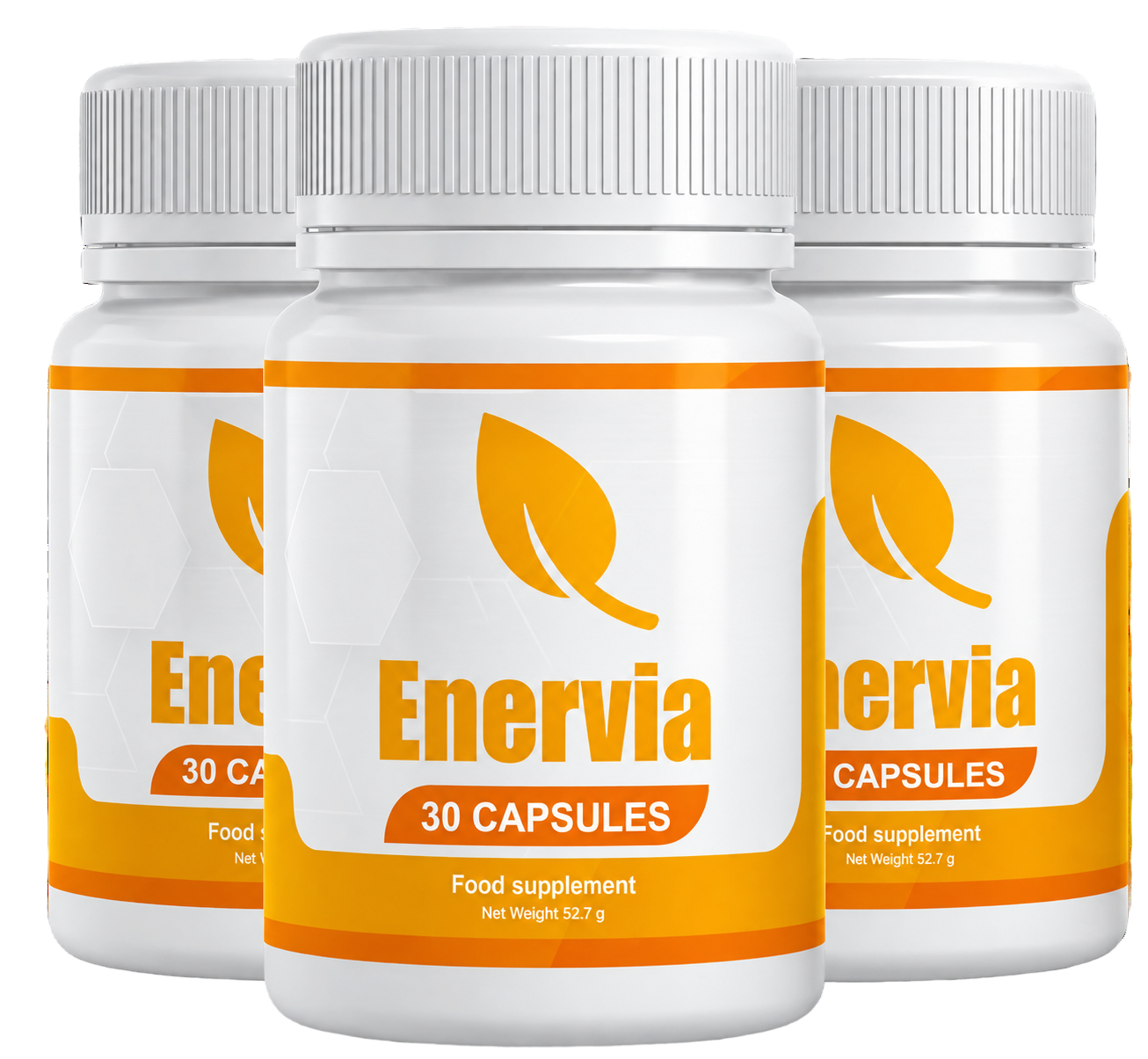
Enervia is formulated to deliver 250mg of DHA in its single daily capsule, in line with the amount the authorised claim is based on. A basic fish oil may deliver more, less, or a similar amount — it genuinely varies by brand, so this is a label-reading exercise rather than a foregone conclusion.