Free tracked UK delivery on every order60-day money-back guarantee

Guide

Supplements for focus and concentration

Losing the thread halfway through a task is usually a signal about sleep, caffeine timing or blood sugar before it is a signal about nutrients. Sort the causes first, then support them.

The Enervia editorial teamLast checked How we write about supplements

The short answer

Poor focus is more often caused by sleep debt, late caffeine, skipped meals or dehydration than by a nutrient gap. Once those are addressed, vitamin B12 and DHA have modest authorised claims relevant to psychological function and brain function; stimulants can raise alertness briefly but tend to disrupt sleep and worsen focus the next day.

Key facts

Most common cause of poor focus
Sleep debt and late caffeine, not nutrient gaps
Authorised nutrients
Vitamin B12 and DHA (250mg/day)
Ingredients without an authorised claim
Phosphatidylserine, choline
Stimulant trade-off
Short-term alertness, often at the cost of next-day focus
In Enervia
No caffeine or stimulants; one capsule a day

On this page

  • Rule out the obvious drains first
  • Nutrients with something behind them
  • Why stimulants are not the same as focus
  • Blood sugar and the mid-afternoon slump
  • What a daily capsule can reasonably be expected to do
  • A short checklist before you buy anything

Rule out the obvious drains first

Before buying anything, it is worth an honest week of noticing what precedes your worst concentration. For most people the pattern is dull rather than mysterious: a late coffee, a heavy lunch, a screen at midnight, or simply not enough water by mid-afternoon.

  • Caffeine after 2pm — it blunts deep sleep even when you fall asleep fine, and the effect compounds night after night.
  • Skipped breakfast followed by a heavy, carbohydrate-dense lunch that produces an afternoon energy dip.
  • Dehydration; concentration measurably dips before thirst is even noticed.
  • Undiagnosed low iron or low B12, both of which cause fog and tiredness that feels exactly like poor concentration.
  • Background stress or trying to hold several unfinished tasks in mind at once.
Nutrients with something behind them

Two nutrients relevant to attention and mental energy have narrow, authorised wording in Great Britain, and are worth checking your diet against before reaching for a supplement.

  • Vitamin B12 — authorised claims for normal psychological function and for the reduction of tiredness and fatigue.
  • DHA at 250mg daily — contributes to the maintenance of normal brain function.
  • Phosphatidylserine — a phospholipid in cell membranes, widely studied for cognition, though no health claim for it is authorised in the UK.
  • Choline — used by the body to make acetylcholine, a signalling molecule involved in attention and muscle control, again without an authorised claim.
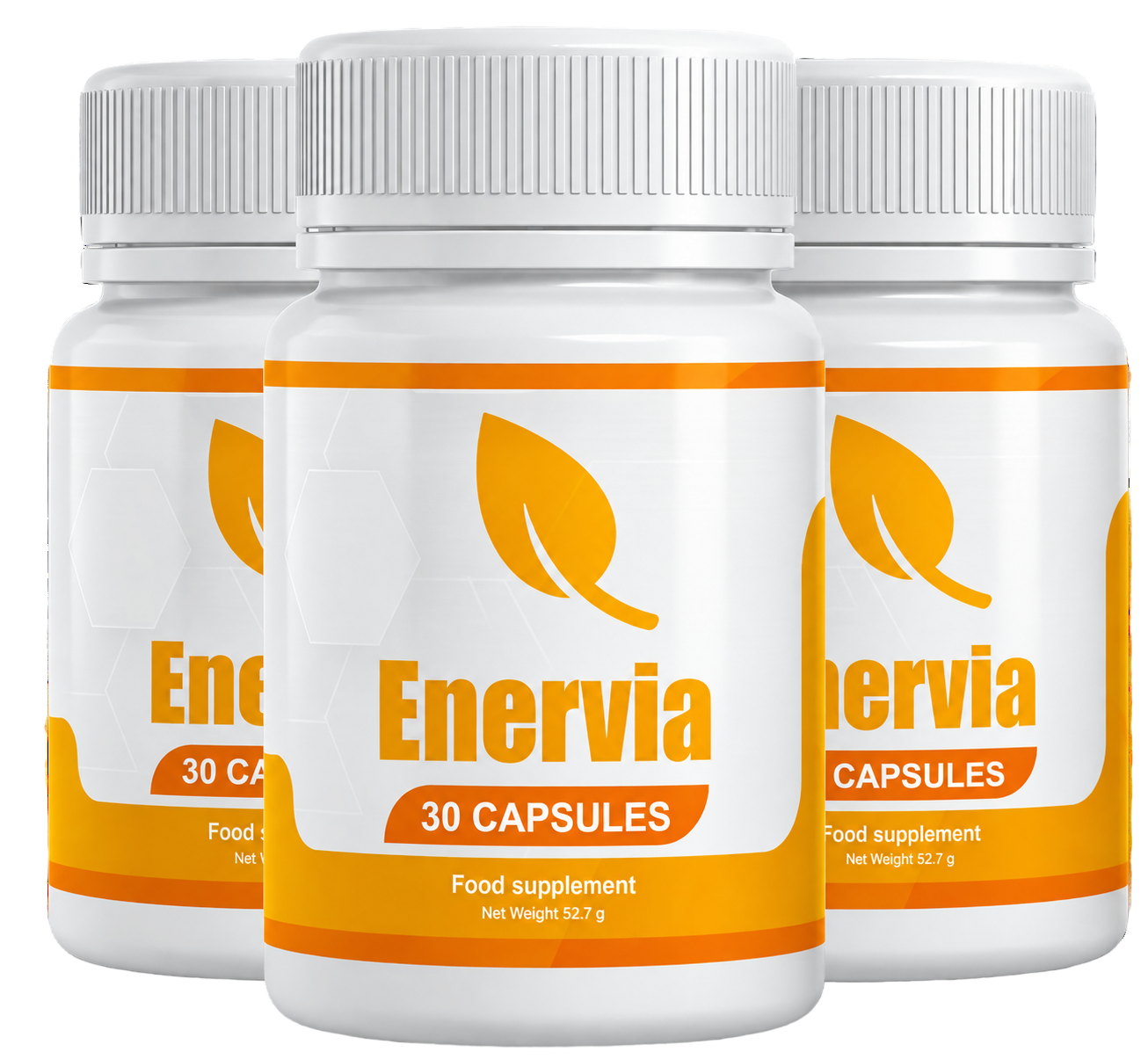
Enervia brain and memory support food supplement, 3-bottle bundle

Most popular

Enervia — 3 Bottles, £117

90-day supply at £39 a bottle. Free tracked UK delivery, dispatched from our UK warehouse within one working day, and 60 days to change your mind.

Order now — £117

Why stimulants are not the same as focus

Another strong coffee or an energy drink raises general arousal, which can feel like sharpened focus for an hour and then borrows the feeling back with a slump, often worse than the one you started with. Caffeine also has a long half-life — around five to six hours in most adults — so an afternoon dose is still partly active at bedtime, quietly eroding the sleep that concentration depends on the next day.

This is a genuinely different mechanism from a nutrient contributing to normal brain or psychological function. A stimulant changes how alert you feel right now; a nutrient like DHA or B12 supports the ordinary biological processes those feelings run on. Neither is a substitute for the other, and neither is a substitute for sleep.

Blood sugar and the mid-afternoon slump

A large, fast-digesting lunch produces a blood sugar rise followed by a dip, and that dip is a common, physical cause of the two-o'clock fog many office workers describe. Protein and fibre with lunch, rather than a sandwich and crisps alone, tends to flatten that curve and steady afternoon concentration without any supplement involved.

Regular meal timing matters too. Skipping breakfast and then eating a heavy lunch pushes the same dip later and often makes it sharper, which is worth knowing if your focus reliably fails around the same time each day.

What a daily capsule can reasonably be expected to do

Taken honestly, a well-formulated capsule containing DHA and B12 at meaningful amounts can help close a genuine dietary gap for people who do not eat much oily fish or many animal foods. That is a modest, background contribution to normal function, not a switch that turns on sharper focus within the hour.

Enervia contains no caffeine or stimulants by design. The aim is steadier everyday mental energy built on covering real nutritional gaps, not a spike that has to be chased with another dose later in the day.

A short checklist before you buy anything

  • Have you had a consistent week of 7+ hours' sleep to compare against?
  • Is your last caffeine of the day before early afternoon?
  • Are you eating regular meals with some protein, rather than skipping and then overeating?
  • Have you ruled out low iron or B12 with a GP if fatigue is a bigger issue than focus itself?
Stimulants versus nutrient support for focus
ApproachWhat it doesTrade-off
Caffeine / energy drinksRaises short-term alertnessCan disrupt sleep for hours afterwards
Vitamin B12Supports normal psychological function, reduces tiredness if you are lowNo effect if you are not deficient
DHA (250mg/day)Supports maintenance of normal brain functionA background nutrient, not a fast-acting boost
Sleep and meal timingAddresses the most common causes of poor focus directlyRequires consistency, not a single fix

This is likely to suit you if

  • People whose focus dips are linked to diet, sleep or caffeine habits
  • Anyone wanting a stimulant-free daily supplement
  • People with a diagnosed nutrient gap confirmed by a GP

This is not for you if

  • Anyone looking for a treatment for ADHD or a diagnosed attention condition
  • People expecting an immediate, noticeable stimulant-like effect
  • Anyone with a fish allergy

References and further reading

Enervia is a food supplement and not a medicine. It is not intended to diagnose, treat, cure or prevent any disease. Speak to your GP or pharmacist if you take prescribed medication or are unsure whether a supplement is right for you.

Common questions

What is the best supplement for focus and concentration?

There is no single best answer, because poor focus usually has an everyday cause first. Vitamin B12 and DHA have narrow authorised claims relevant to psychological and brain function, but sleep, hydration and meal timing typically make a bigger practical difference.

Can supplements replace caffeine for concentration?

Not in the way caffeine works. Caffeine raises short-term alertness through a different mechanism to nutrients like B12 or DHA, which support ordinary biological function rather than producing an immediate stimulant effect. They are not directly comparable.

Why does my focus crash in the afternoon?

The most common causes are a heavy, fast-digesting lunch, dehydration, and residual tiredness from a late caffeine dose or poor sleep the night before. Addressing these usually helps more than any supplement.

Is it safe to take a focus supplement every day?

A well-labelled daily supplement with published amounts is generally fine for most healthy adults, but check with a pharmacist if you take prescribed medication, are pregnant or breastfeeding, or have a diagnosed condition.

60 days to change your mind · sold only at getenervia.co.uk

Ready to try Enervia?

Our most popular option is the 3-bottle bundle at £117 — 60 days to change your mind, free tracked UK delivery, and no subscription.

Order Enervia now
Secure checkout by StripeSold only at getenervia.co.uk