Free tracked UK delivery on every order60-day money-back guarantee

Ingredient guide

Choline: the nutrient most people have never counted

Choline rarely makes headlines, yet the body needs it constantly — for cell membranes, for fat transport in the liver, and to make the signalling molecule acetylcholine.

The Enervia editorial teamLast checked How we write about supplements

The short answer

Choline is a nutrient the body uses to build cell membranes and to make acetylcholine, a signalling molecule involved in attention and muscle control. No UK health claim is currently authorised for choline in supplement form, and intake surveys suggest many UK adults, particularly those eating few eggs, fall short of adequate intake figures.

Key facts

Authorised claim
None currently authorised in Great Britain
What it does
Raw material for acetylcholine and cell membranes
Typical food sources
Eggs, liver, fish, chicken, soya beans
Who may fall short
People eating few eggs or little animal produce
In Enervia
Included alongside phosphatidylserine, amount published on the label

On this page

  • Where acetylcholine comes in
  • Food sources and typical amounts
  • Who tends to fall short
  • Supplement forms and how they differ
  • What can legally be claimed in the UK
  • What the evidence does and does not show

Where acetylcholine comes in

Acetylcholine is a neurotransmitter involved in attention, learning and muscle signalling, and choline is the raw material the body uses to manufacture it. That biochemical link is the reason choline appears repeatedly in cognition-focused formulas, even though, as explained below, this does not currently translate into an authorised UK claim.

Choline is also a structural component used in building cell membranes, alongside phospholipids like phosphatidylserine, and is involved in transporting fat out of the liver — a role separate from anything to do with the brain, but one reason nutrition scientists consider it an important, if under-discussed, everyday nutrient.
Food sources and typical amounts

Choline is found across a range of everyday foods, though not evenly. European intake surveys have repeatedly found average choline intakes below the adequate intake figures set for adults, particularly among people who eat few eggs or little meat.

  • Eggs — the yolk is one of the richest everyday sources; a single large egg supplies a meaningful proportion of a day's adequate intake.
  • Liver and other organ meats, among the most concentrated sources.
  • Fish, chicken and beef in more moderate amounts.
  • Soya beans, cruciferous vegetables such as broccoli, and nuts in smaller amounts.
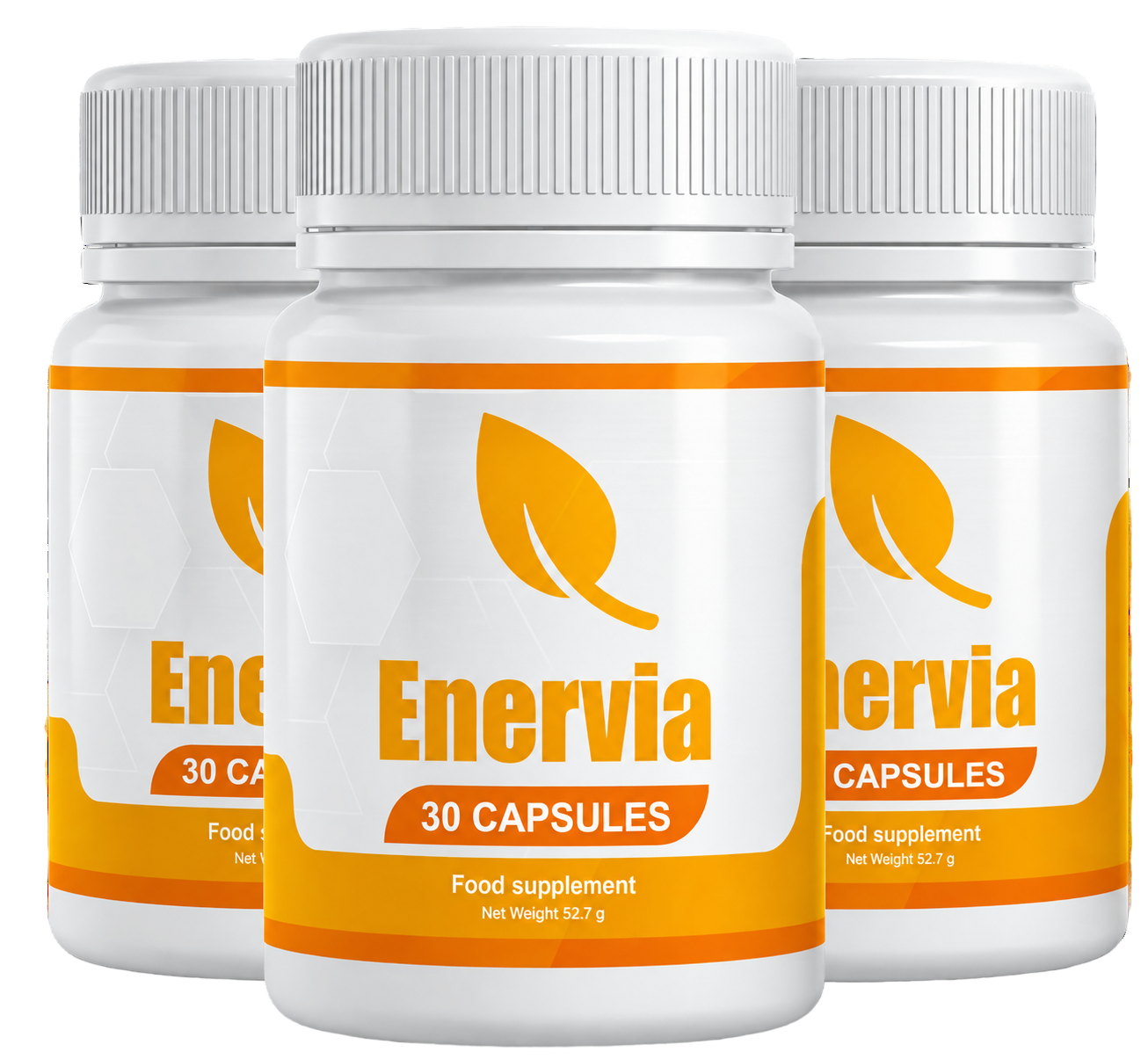
Enervia brain and memory support food supplement, 3-bottle bundle

Most popular

Enervia — 3 Bottles, £117

90-day supply at £39 a bottle. Free tracked UK delivery, dispatched from our UK warehouse within one working day, and 60 days to change your mind.

Order now — £117

Who tends to fall short

People who eat few or no eggs, and those following a largely plant-based diet without deliberate planning around choline-rich alternatives, are more likely to have intakes below the adequate level. This is not unique to vegans and vegetarians — plenty of omnivores who simply do not eat many eggs, liver or oily fish fall into the same pattern.

Pregnancy increases choline requirements notably, since it plays a role in fetal brain development; anyone pregnant should discuss intake with a midwife or GP rather than relying on an over-the-counter supplement without guidance.

Supplement forms and how they differ

Choline bitartrate, citicoline and alpha-GPC are the common supplement forms, and they differ in how much elemental choline they actually deliver per milligram of the compound, as well as in cost and, in some research, in how readily they cross into brain tissue. Whichever form a label lists, look specifically for the amount of choline provided rather than the total weight of the compound, since these are not the same number.

What can legally be claimed in the UK

No nutrition or health claim for choline currently appears on the GB register in a form generally applied to UK food supplements, so descriptions should stay factual — what it is, where it occurs, and what its established biochemical role is — rather than promising a cognitive effect. This is a case where the underlying biochemistry (acetylcholine production) is well understood, but that has not translated into an authorised consumer-facing health claim.

What the evidence does and does not show

The biochemical pathway from choline to acetylcholine is textbook physiology, not in dispute. What remains less settled is whether supplementing choline above an adequate dietary intake produces a noticeable improvement in attention or memory for someone who is not deficient — the research here is mixed, and much of it uses forms and doses not directly comparable to typical consumer supplements.

The most defensible, evidence-aligned position is that choline matters if your diet is genuinely short of it, and that topping up a genuine gap is a reasonable, low-risk thing to do — while resisting the idea that more choline on top of an already adequate diet produces extra cognitive benefit.

Reading a label and pairing it sensibly

Check the specific milligram amount of choline (not just the compound name) and consider it alongside phosphatidylserine and DHA, since all three relate to membrane and neurotransmitter biochemistry — a formulation logic that is common in brain-focused supplements, Enervia included, though again not itself an authorised combined claim.

Choline: food sources versus typical amounts
Food sourceTypical portionApprox. choline
Egg (whole, large)1 eggAround 150mg
Beef liver, cooked100gAround 350mg
Chicken breast, cooked100gAround 70mg
Soya beans, cooked100gAround 100mg

This is likely to suit you if

  • People who eat few eggs, little liver or little animal produce generally
  • Pregnant women, after discussing appropriate intake with a midwife or GP

This is not for you if

  • Anyone expecting an authorised cognitive claim — none currently exists for choline
  • People already eating eggs and meat regularly, who likely meet adequate intake from diet alone

References and further reading

Enervia is a food supplement and not a medicine. It is not intended to diagnose, treat, cure or prevent any disease. Speak to your GP or pharmacist if you take prescribed medication or are unsure whether a supplement is right for you.

Common questions

What foods are highest in choline?

Egg yolks and liver are among the richest everyday sources, followed by fish, chicken and beef in more moderate amounts, and soya beans, broccoli and nuts in smaller amounts. Most UK diets get some choline, but surveys suggest many adults fall below adequate intake figures.

Is choline the same as B vitamins?

No, though it is sometimes grouped alongside them in discussion. Choline is its own nutrient with a distinct biochemical role, mainly in building cell membranes and manufacturing acetylcholine, a neurotransmitter.

Is there a health claim for choline in the UK?

No authorised nutrition or health claim for choline currently applies to standard UK food supplements. Its biochemical role is well documented, but that has not translated into an approved consumer-facing claim, so descriptions should stay factual.

Do vegans need to supplement choline?

Not automatically, but a plant-based diet makes it easier to fall short, since the richest sources are animal foods. Soya beans and cruciferous vegetables provide some choline, and a supplement can be a reasonable way to close a genuine gap.

60 days to change your mind · sold only at getenervia.co.uk

Ready to try Enervia?

Our most popular option is the 3-bottle bundle at £117 — 60 days to change your mind, free tracked UK delivery, and no subscription.

Order Enervia now
Secure checkout by StripeSold only at getenervia.co.uk