Free tracked UK delivery on every order60-day money-back guarantee

Ingredient guide

Lion's mane: sorting substance from hype

Lion's mane went from specialist mushroom to everywhere in a few years. Some of the enthusiasm is fair, some of it is marketing, and the label detail matters more than with most ingredients.

The Enervia editorial teamLast checked How we write about supplements

The short answer

Lion's mane is an edible mushroom studied in small trials for its effect on nerve tissue, but no health claim for it is authorised in Great Britain. When buying, check whether the product uses the fruiting body or mycelium grown on grain — the difference materially affects what you are actually getting.

Key facts

Authorised claim
None currently authorised in Great Britain
What it is
An edible mushroom, Hericium erinaceus
Best form to look for
Fruiting body extract, standardised where possible
Form to be wary of
Mycelium grown on grain (largely starch)
In Enervia
Included as a factual ingredient, no claim implied

On this page

  • What lion's mane actually is
  • The label detail that matters more than usual
  • What can legally be claimed in the UK
  • What the evidence does and does not show
  • Buying advice specific to this ingredient
  • Where it fits in a formula like Enervia

What lion's mane actually is

Hericium erinaceus is an edible mushroom with a distinctive shaggy, white appearance, eaten in East Asia for centuries and used in traditional practice there. Modern supplement interest centres on a group of compounds found in the fruiting body — the visible mushroom itself — which researchers have studied in cell and animal models for their effects on nerve tissue.

It is worth being clear that most of this research is early-stage: laboratory studies, animal studies, and a small number of human trials with modest participant numbers. That does not mean the interest is unfounded, but it does mean the evidence is a long way from settled.
The label detail that matters more than usual

With lion's mane, more than most ingredients, the form used changes what you are actually buying. Two products both listing '500mg lion's mane' can be meaningfully different products.

  • Fruiting body or mycelium? Mycelium is the root-like structure grown on grain substrate, and products using mycelium-on-grain can end up largely composed of leftover starch rather than the mushroom compounds of interest.
  • Is the extract standardised, and to what compound? A vague 'extract 500mg' with no standardisation tells you very little about potency.
  • Is the amount per capsule published at all, or hidden inside a blend?
  • Is it labelled clearly as a mushroom product, for anyone with a mushroom or fungal allergy or sensitivity to be aware of?
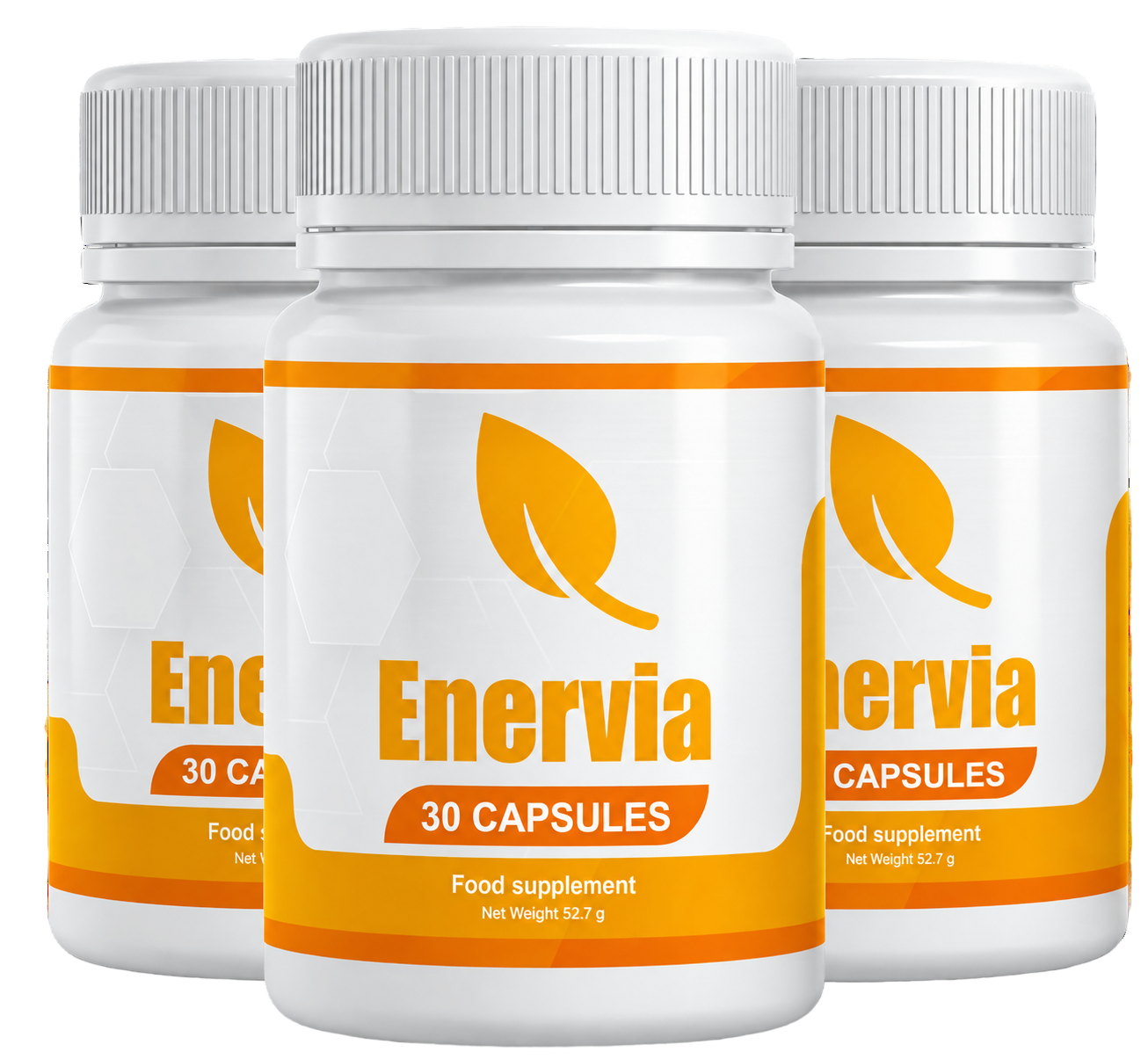
Enervia brain and memory support food supplement, 3-bottle bundle

Most popular

Enervia — 3 Bottles, £117

90-day supply at £39 a bottle. Free tracked UK delivery, dispatched from our UK warehouse within one working day, and 60 days to change your mind.

Order now — £117

What can legally be claimed in the UK

No health claim for lion's mane is authorised on the GB register, so anyone promising it improves memory, repairs nerves, treats brain fog or supports mental health is going beyond what UK rules allow — whatever research citation they attach to the claim. Honest sellers describe what the ingredient is, note the research interest factually, and let you decide; that is the approach taken here.

This is worth repeating because lion's mane marketing, more than most brain-supplement ingredients, tends to drift into confident, specific promises online. Treat any UK seller making a firm claim about lion's mane and memory or nerve repair as a sign to look elsewhere, regardless of how the rest of the product looks.

What the evidence does and does not show

Cell and animal research has explored compounds in lion's mane in relation to nerve growth factor activity, a process involved in the growth and maintenance of nerve cells. This is genuinely interesting laboratory science and is why the ingredient attracts research attention.

What it does not show, at this stage, is a proven effect on human memory, mood or nerve repair at the doses and forms typically used in consumer supplements. Small human trials exist and some report positive findings on specific measures, but sample sizes are generally too small, and study designs too varied, to draw firm conclusions — which is precisely why no claim has been authorised.

Buying advice specific to this ingredient

Given the variability in quality across the lion's mane market, it is worth spending slightly more attention here than on better-regulated ingredients. Look for fruiting-body sourcing stated explicitly, a standardisation figure if the seller provides one, and a company willing to publish the milligram amount clearly rather than folding it into an unspecified blend.

As a mushroom-derived ingredient, lion's mane is not suitable for anyone with a known mushroom or fungal allergy.

Where it fits in a formula like Enervia

Enervia includes lion's mane as one ingredient among several, with the amount published on the label, described factually rather than promoted with unauthorised claims. It sits alongside DHA and vitamin B12, which do carry authorised claims — a distinction we think is worth being transparent about rather than blurring the two together.

Lion's mane: what to check before buying
What to checkGood signWarning sign
Form usedFruiting body stated clearlyMycelium grown on grain, undisclosed
StandardisationA specific compound and percentage statedVague 'extract' with no detail
Amount per capsulePublished in mgHidden inside a proprietary blend
Claims madeFactual description, no health claim impliedPromises about memory or nerve repair

This is likely to suit you if

  • Adults interested in trying a well-sourced, clearly labelled fruiting-body extract
  • People who understand no UK health claim applies and want it for its own research interest

This is not for you if

  • Anyone with a mushroom or fungal allergy
  • Anyone expecting a proven memory or nerve-repair effect
  • Pregnant or breastfeeding women, without medical advice, given limited safety data

References and further reading

Enervia is a food supplement and not a medicine. It is not intended to diagnose, treat, cure or prevent any disease. Speak to your GP or pharmacist if you take prescribed medication or are unsure whether a supplement is right for you.

Common questions

Is lion's mane legal to sell as a supplement in the UK?

Yes, it is legal to sell as a food supplement, but no nutrition or health claim for it is currently authorised on the GB register. Sellers can describe what it is factually but cannot legally claim it improves memory or nerve function.

What is the difference between fruiting body and mycelium lion's mane?

The fruiting body is the visible mushroom, generally considered to contain more of the compounds of research interest. Mycelium is the root-like growth structure, often grown on grain, and products using it can contain a substantial proportion of leftover starch rather than mushroom material.

Does lion's mane help with brain fog?

No health claim to that effect is authorised in the UK, and the human evidence remains limited and preliminary. If brain fog is a persistent problem, everyday causes such as sleep, stress and diet are worth addressing before considering any supplement.

Is lion's mane safe to take?

It is generally considered well tolerated in the small studies available, but long-term human safety data is limited. Anyone with a mushroom allergy should avoid it, and pregnant or breastfeeding women should seek medical advice first.

60 days to change your mind · sold only at getenervia.co.uk

Ready to try Enervia?

Our most popular option is the 3-bottle bundle at £117 — 60 days to change your mind, free tracked UK delivery, and no subscription.

Order Enervia now
Secure checkout by StripeSold only at getenervia.co.uk