Free tracked UK delivery on every order60-day money-back guarantee

Ingredient guide

Phosphatidylserine: the membrane phospholipid

An awkward name for a simple idea. Phosphatidylserine is a fat that forms part of the membrane around every one of your cells, brain cells included.

The Enervia editorial teamLast checked How we write about supplements

The short answer

Phosphatidylserine is a phospholipid found in every cell membrane and concentrated in nerve tissue. It has been studied for cognition at amounts of a few hundred milligrams a day, but no health claim for it is currently authorised in Great Britain, so any effect should be treated as unproven rather than promised.

Key facts

Authorised claim
None currently authorised in Great Britain
What it is
A phospholipid found in every cell membrane
Typical food sources
Organ meats, fish, soya and sunflower lecithin
Typical research amount
100–300mg a day in published studies
In Enervia
Included alongside choline and DHA, amount published on the label

On this page

  • What it does in the body
  • Where it comes from
  • Typical amounts used in research
  • What the evidence does and does not show
  • Why it pairs with DHA and choline
  • Safety and who should be cautious

What it does in the body

Cell membranes are not simply walls holding a cell together — their composition affects how signals pass in and out, and how proteins embedded in the membrane behave. Phosphatidylserine is one of the phospholipids making up that membrane, and it is particularly concentrated in nerve tissue, which is why it turns up repeatedly in cognition-focused formulas.

It also plays a role in a process called membrane fluidity — how flexible and responsive a cell membrane is — which researchers have linked to healthy nerve signalling in laboratory studies.
Where it comes from

The body makes its own phosphatidylserine, so it is not classed as an essential nutrient in the way vitamin B12 is. Small amounts also occur naturally in foods such as organ meats, fish, chicken and, to a lesser extent, soya beans and egg yolks, though dietary intake from food alone is typically modest.

Supplement-grade phosphatidylserine is usually manufactured from sunflower or soy lecithin. Older products sometimes used bovine (cow brain) sources, which are no longer standard practice in reputable UK supplements for both safety and consumer-acceptability reasons — worth checking if you are buying from an unfamiliar or overseas seller.

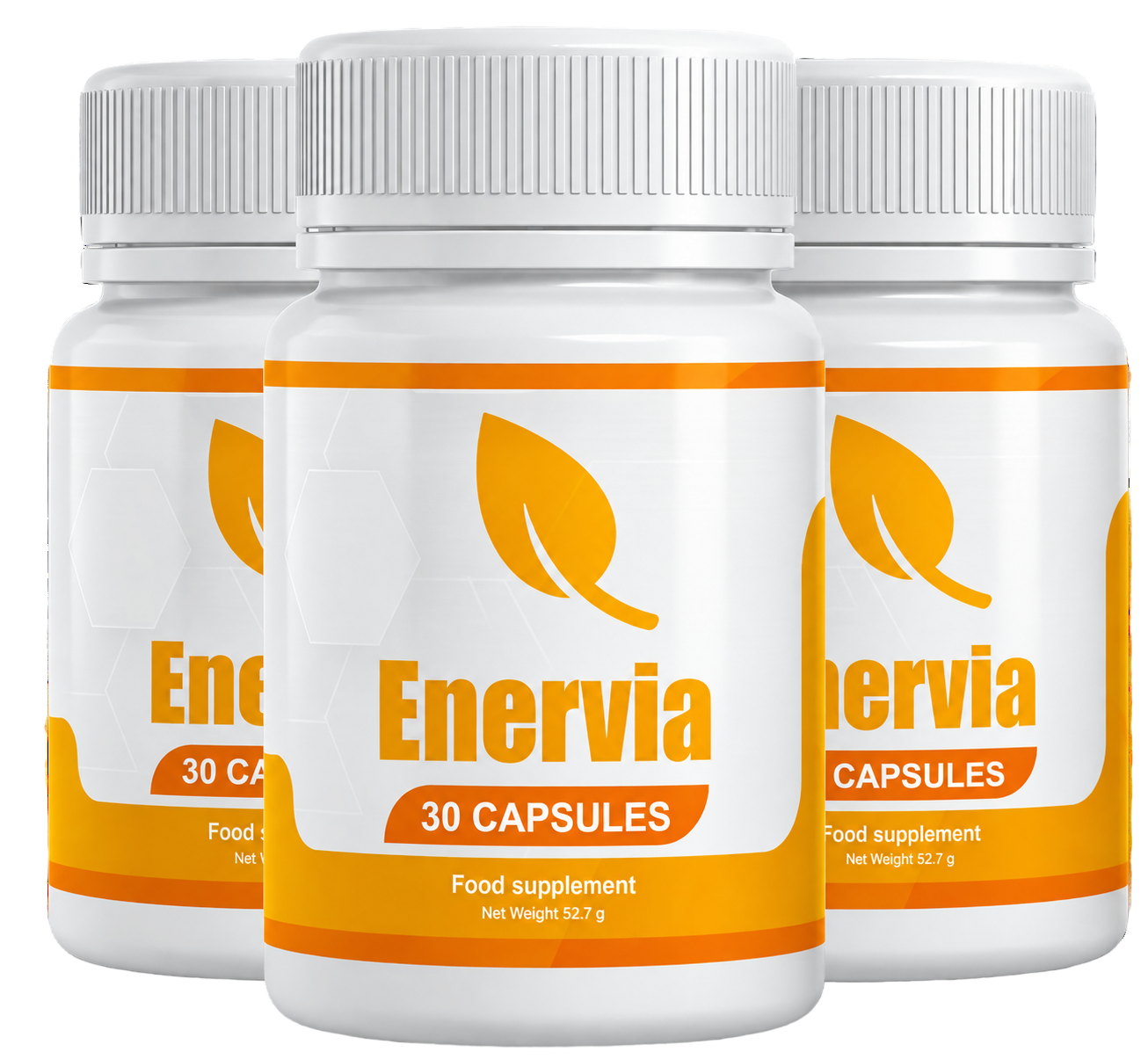
Enervia brain and memory support food supplement, 3-bottle bundle

Most popular

Enervia — 3 Bottles, £117

90-day supply at £39 a bottle. Free tracked UK delivery, dispatched from our UK warehouse within one working day, and 60 days to change your mind.

Order now — £117

Typical amounts used in research

Studies looking at phosphatidylserine and cognition have generally used amounts in the range of 100 to 300mg a day, often for several weeks or months before assessing any change. That is a useful reference range when comparing supplement labels, even though — as explained below — no UK health claim currently exists to formally validate a specific effect.

What the evidence does and does not show

Phosphatidylserine has a genuine and reasonably long research history, including small human trials exploring memory and attention measures, particularly in older adults. Some of these trials report modest, positive findings on specific cognitive tests.

What this body of research has not produced is evidence strong or consistent enough to earn an authorised health claim on the GB register. Trials are often small, use varying doses and forms, and have not been replicated at the scale regulators require before permitting a specific wording. That means no health claim for phosphatidylserine is authorised in the UK, and any product implying otherwise is going beyond what the evidence — and the law — currently supports. We include it because it is a genuinely studied, plausible ingredient, not because we can promise you an effect.

Why it pairs with DHA and choline

Phospholipids and long-chain omega-3 fats are both membrane materials, so they are commonly combined in formulas rather than used in isolation — the reasoning being that membrane-related ingredients make more biochemical sense together than any one alone. Enervia includes phosphatidylserine alongside DHA and choline, which the body also uses in phospholipid production, for that reason.

This is a formulation rationale, not a guarantee of a combined effect — no claim is authorised for the combination either, and we would rather say that plainly than let the pairing imply more than it should.

Safety and who should be cautious

Phosphatidylserine is generally well tolerated at the amounts used in supplements and research, with occasional reports of mild stomach upset at higher intakes. As with any supplement, speak to your GP or pharmacist first if you take prescribed medication — particularly anticoagulants, since phospholipid supplements are sometimes flagged for a theoretical interaction — or if you are pregnant or breastfeeding, where safety data is limited.

Reading a phosphatidylserine label

Check that the milligram amount is stated per capsule, not buried inside a combined blend total, and check the source (sunflower or soy). If a product claims a specific memory or cognitive benefit for phosphatidylserine on its own, treat that claim with scepticism — it is not something UK rules currently permit to be stated as fact.

Phosphatidylserine: what the label should tell you
What to checkWhy it matters
Amount per capsule (mg)Research has generally used 100–300mg a day; vague blends hide this
Source (sunflower/soy)Modern reputable products use plant-derived phosphatidylserine
Claim madeNo health claim is authorised in the UK — factual description only is appropriate
Combined with DHA/choline?A common, biochemically sensible pairing, though not itself a proven combined effect

This is likely to suit you if

  • Adults interested in membrane-supporting nutrients as part of a wider diet
  • People who understand this ingredient carries no UK health claim and want it anyway for its research interest

This is not for you if

  • Anyone expecting a guaranteed memory or cognitive effect
  • People on anticoagulant medication, without checking with a pharmacist first
  • Pregnant or breastfeeding women, without medical advice

References and further reading

Enervia is a food supplement and not a medicine. It is not intended to diagnose, treat, cure or prevent any disease. Speak to your GP or pharmacist if you take prescribed medication or are unsure whether a supplement is right for you.

Common questions

Is phosphatidylserine proven to help memory?

No health claim for phosphatidylserine is authorised in Great Britain. Some small studies suggest a possible benefit for cognitive measures in older adults, but the evidence has not been considered strong or consistent enough to support an official claim.

Where does supplement phosphatidylserine come from?

Modern UK supplements almost always use phosphatidylserine derived from sunflower or soy lecithin. Older products sometimes used bovine brain extract, which is now uncommon in reputable supplements.

Is phosphatidylserine safe to take daily?

It is generally well tolerated at typical supplement amounts. As with any supplement, check with a pharmacist first if you take blood-thinning medication, are pregnant or breastfeeding, or have a diagnosed medical condition.

How much phosphatidylserine is in a typical supplement?

Amounts vary, but published research has generally used 100 to 300mg a day. Check the label for a specific milligram figure rather than a combined blend total that does not break the amount down.

60 days to change your mind · sold only at getenervia.co.uk

Ready to try Enervia?

Our most popular option is the 3-bottle bundle at £117 — 60 days to change your mind, free tracked UK delivery, and no subscription.

Order Enervia now
Secure checkout by StripeSold only at getenervia.co.uk